
Northern Lights or Midnight Sun and the Best Time to Visit Norway
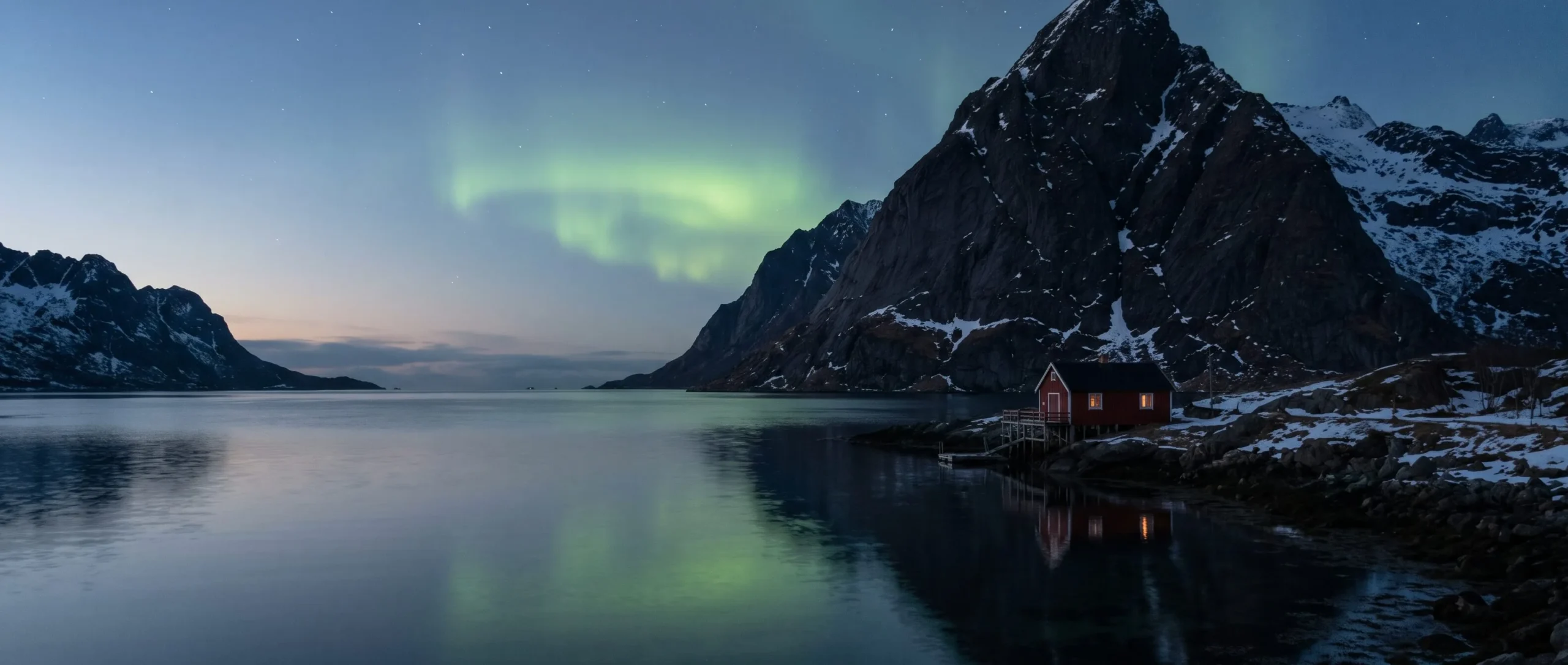
Is summer too crowded and winter too dark? Norway splits into two personalities and your month decides which one you meet.
A bright green summer brings waterfalls and endless daylight, while a dark blue winter brings aurora and snow. Far north the sun stays below the horizon for weeks in midwinter.
Here is the best time to visit Norway for fjords, northern lights, the midnight sun and city breaks, with the shoulder months that balance price and weather.
Best Time to Visit Norway Month by Month
| Season | Best for | Trade off |
|---|---|---|
| Late spring from May to early June | Waterfalls and quiet fjords | Some mountain roads still closed |
| Summer from mid June to August | Hiking and long days | Highest prices and biggest crowds |
| Early autumn in September | Color and fewer people | Shorter days and more coastal rain |
| Late autumn in October | Lower prices and first aurora | Cold and wet |
| Winter from November to March | Northern lights and snow | Very short days in the north |
The south and the far north follow different calendars. Oslo and Bergen change slowly while Tromsø swings from constant light to constant dark. Choose the season first and the route second.
Best Time to Visit Norway for the Fjords
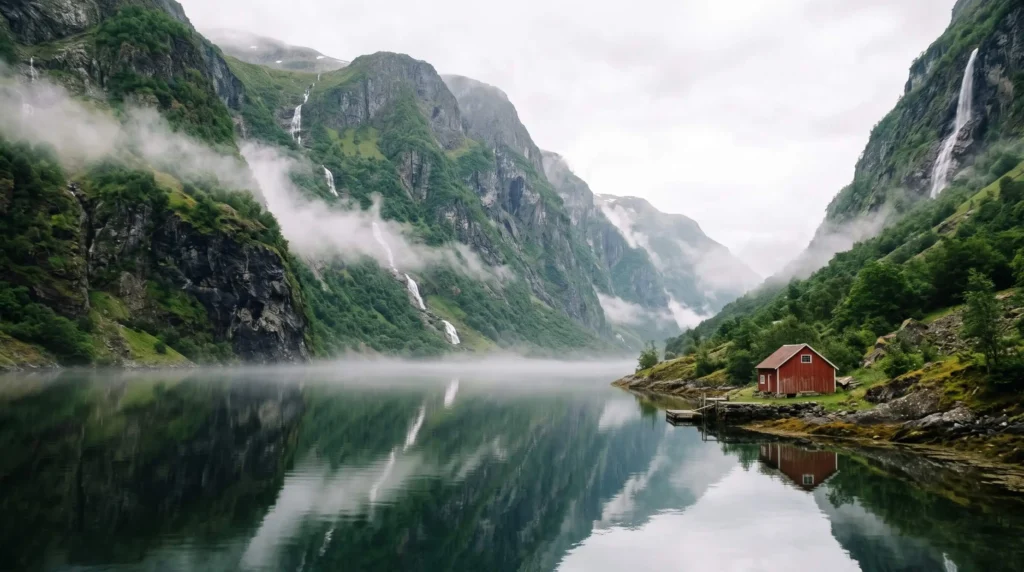
Guides put the main fjord season between June and September. July and August are the busiest months with the highest prices. May and September bring fewer people and lower costs while most attractions stay open.
Even summer feels cool beside the water so bring a jacket. Mountain roads such as Trollstigen usually run from mid May to October but weather can shorten the season.
Trollstigen and similar high roads typically close from roughly October to May. Hurtigruten voyages are pricey, with one North Cape line fare listed from about $2,217 one way, so check current prices.
Distances catch many visitors out. Oslo is nowhere near the famous fjords and a fjord cruise may not include much time inside them. Check the itinerary before you book.
Northern Lights Season and the Polar Night
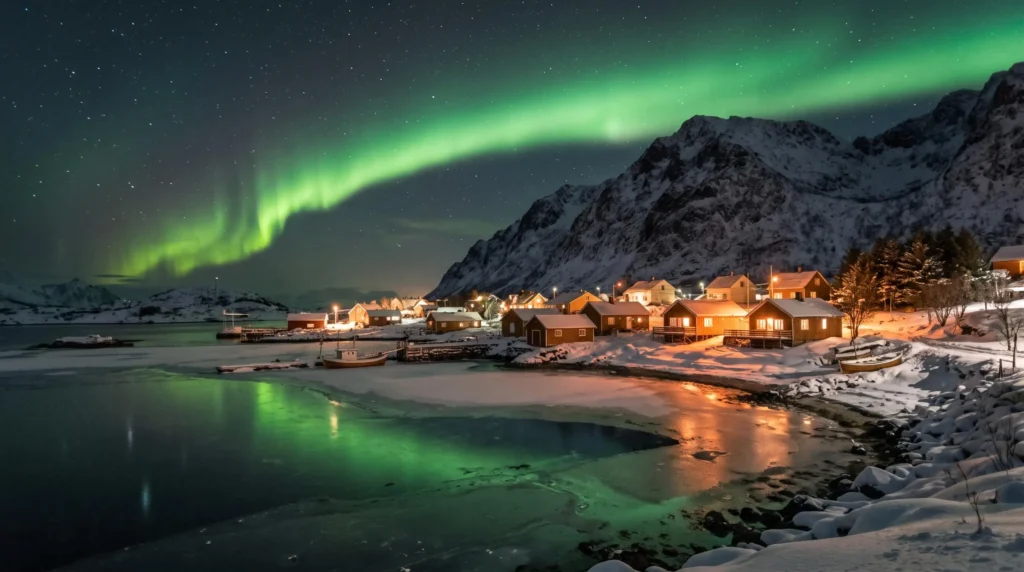
The aurora zone is a band called the Northern Lights Belt, roughly 65 to 72 degrees north, and Tromsø, Lofoten, Kirkenes and the North Cape sit inside it. Polar night in Tromsø runs from late November to mid January, while February and March give darkness for the lights plus more daylight for tours.
The aurora season around Tromsø runs from about September to early April. November through February gives the longest darkness. Sightings usually peak in the evening with the best odds between ten and eleven.
Winter also brings orcas and humpback whales into the fjords to feed on herring. Boat trips are most reliable in November and December. For another lights trip that mixes ice and fire see our 5 day Iceland itinerary.
Bergen and Oslo Through the Year
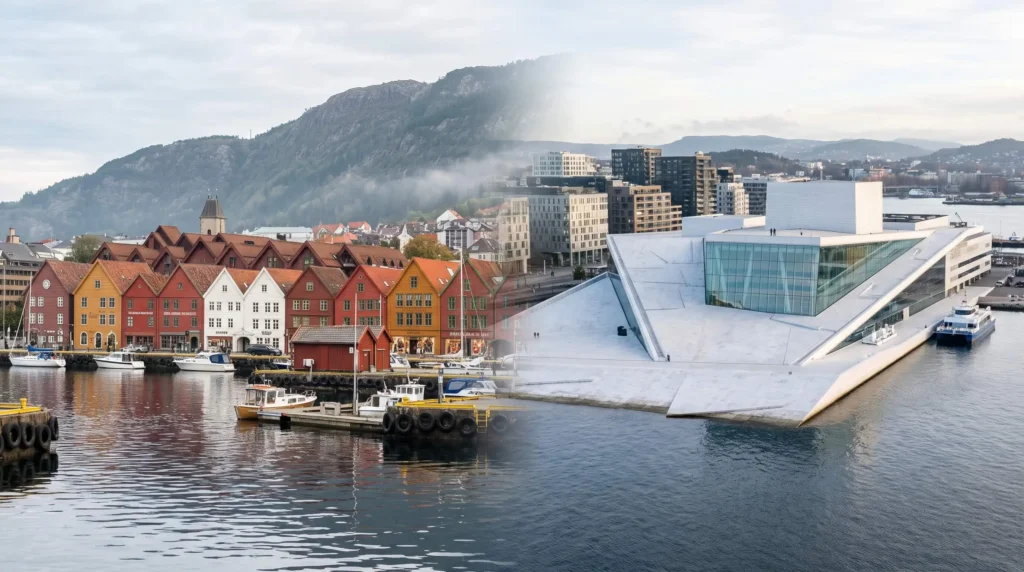
Bergen is wet in every season. Sources count 200 or more rainy days a year with May among the driest months. Pack a good rain jacket whatever the date.
Oslo has warm summers with highs in the low 20s Celsius and cold winters near freezing or below. December turns festive across the city. For more winter ideas see our guide to the best places to visit for Christmas.
Midnight Sun and the Arctic Summer
For whales, the Vesterålen coast just north of Lofoten is the summer pick, with sperm, minke, humpback and killer whales all reported. Winter whale trips around Tromsø are a separate season.
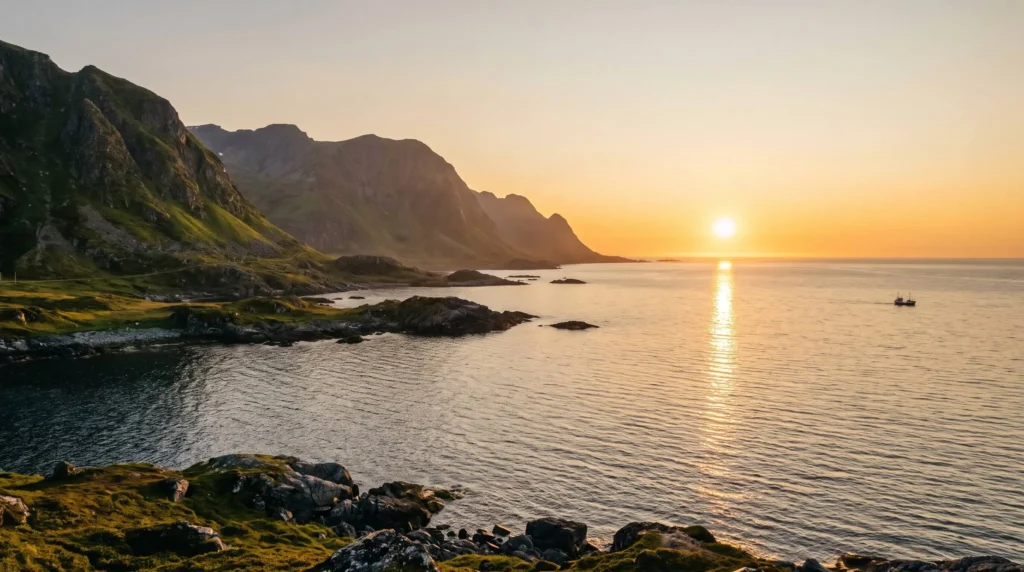
In Tromsø the sun stays up from about May 20 to July 22. Svalbard gets continuous light from late April to late August. The Norwegian Meteorological Institute explains how polar nights and midnight sun are defined.
Bring a sleep mask because bright rooms keep many people awake. Late evening hikes feel strange and wonderful in this light. Give yourself one easy day to adjust.
Prices Crowds and the Shoulder Season Sweet Spot
Norway is expensive and food and fuel are the usual budget misses. A hotel room in central Oslo in July can cost as much as a mid range room in Paris. Cooking in a rental kitchen saves real money.
Hikers aiming for Trolltunga or Pulpit Rock usually plan April to October. Autumn can beat spring because more paths are clear of snow, and October brings the thinnest crowds.
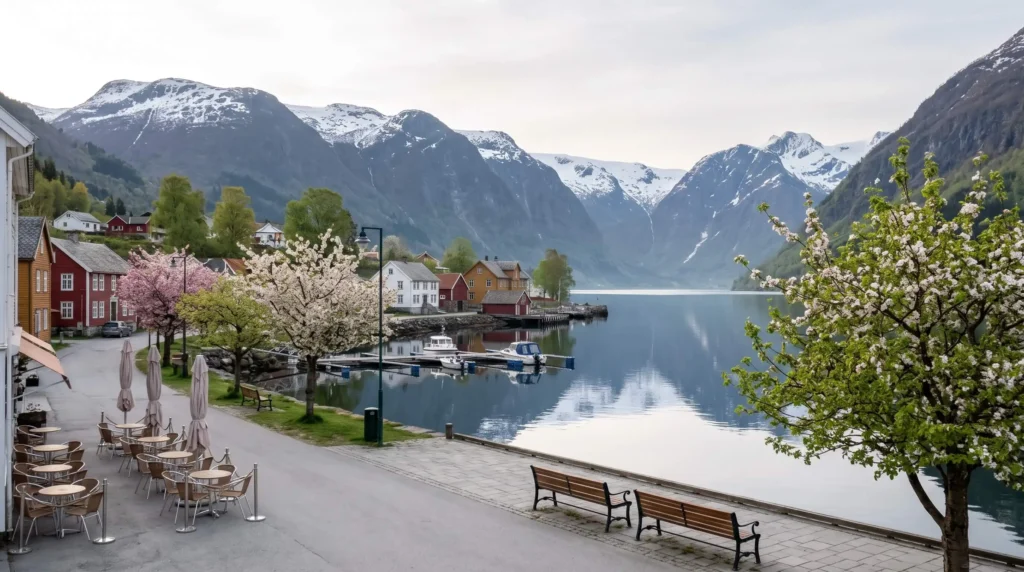
May and September balance weather and cost best. Summer rentals and ferries fill early so book ahead. Leave a few spare days in case a mountain road closes.
Packing and Planning by Season

Layers matter in every season. Pack a waterproof shell and warm mid layers even in summer. In winter add insulated boots and traction cleats for icy paths.
Book aurora and whale trips early in the season so you have spare nights if clouds roll in. Check the forecast each afternoon and stay flexible. Flexibility is the best tool in Norway.
Daylight Reality
In the far north the sun stays below the horizon for weeks in midwinter and stays above it for weeks in midsummer. Plan activities around the light and not the clock.
Frequently Asked Questions
Pick the Light You Want to Travel In
Decide whether you want long summer days or dark winter skies and the rest of the plan follows. Shoulder months give the best mix of price and weather.
Our Europe or Things to Do pages carry more cold weather escapes and scenic trips.


