
Delray Beach Cam Views and What They Tell You About Waves and Weather
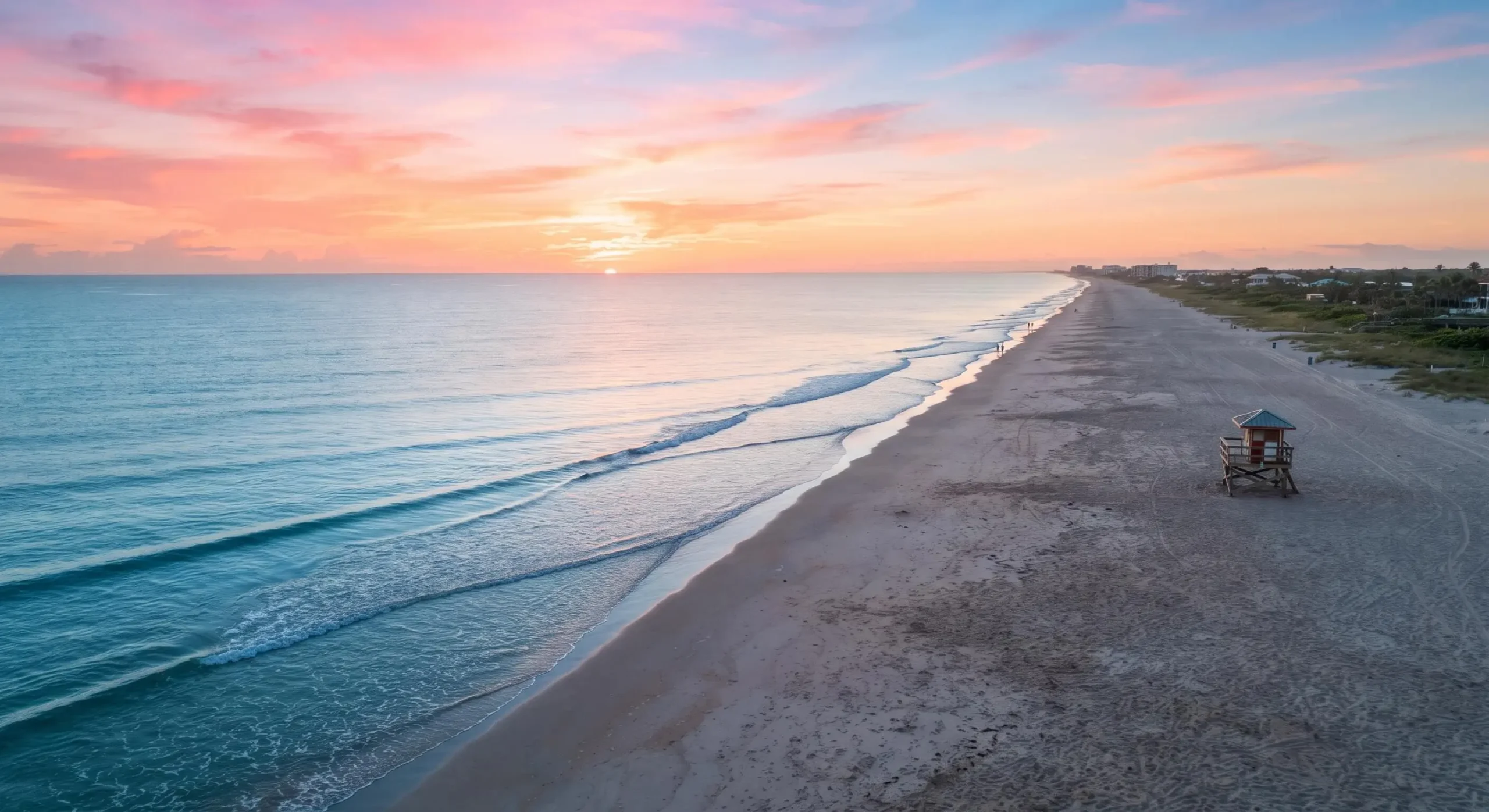
One look at a live feed shows the waves, the crowd and whether the sky is about to turn.
People check a beach camera to plan a surf session, to time a drive or just to enjoy a winter view on a screen. A camera cannot show rip currents or water quality.
Here is how to read a Delray Beach cam next to the official conditions so you pick the right hour.
What a Beach Camera Can and Cannot Tell You
| Look for | What it tells you | What it misses |
|---|---|---|
| Wave size and shape | Whether the surf is clean or messy | Rip currents under the surface |
| Crowd on the sand | How busy the beach and parking are | Whether a lot has open spaces |
| Sky and clouds | If rain or a storm is building | Wind gusts and lightning timing |
| Water color | Whether rough surf is churning the sand | Jellyfish and other marine life |
Cameras come from different operators and listings change. A local cam site shows the municipal beach, Atlantic Dunes Park, Boynton Inlet, Boca Inlet, Palmetto Pavilion and Deerfield Pier. The Atlantic Dunes view is a still image that refreshes about every 55 seconds, so it is not a true live stream. Treat every feed as a quick look and not a safety report.
Using a Delray Beach Cam to Time Your Beach Day
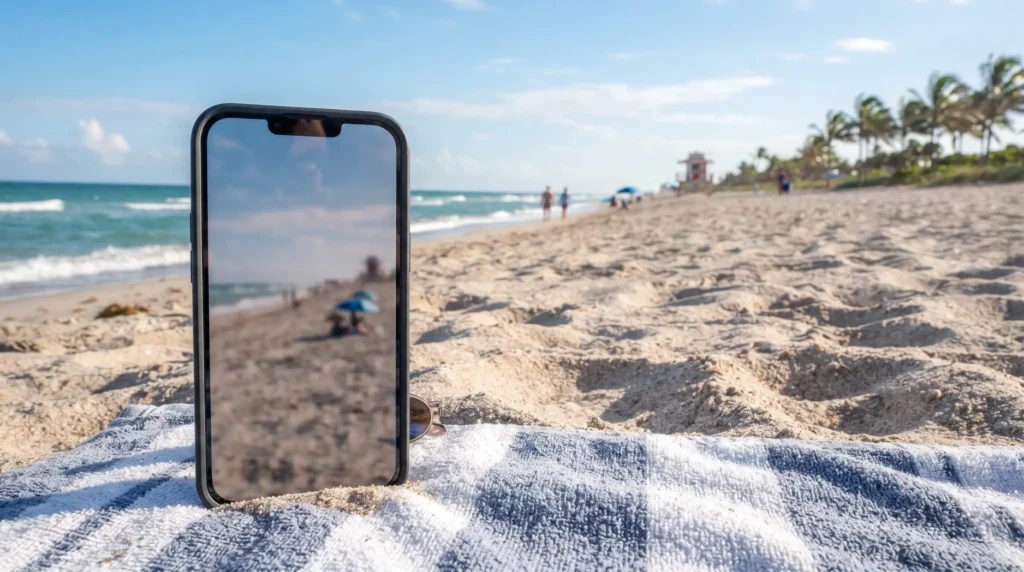
Check the feed twice before you go. Look at the waves and the crowd and the clouds. Then confirm the flag color and conditions on the city page.
Morning light is usually calmer and parking is easier. Afternoons can bring thunderstorms in summer. Pack shade for the middle of the day and our guide to the best beach umbrellas explains how to choose one that stays put.
Free cam pages often add air temperature, wind and a rip risk level taken from the National Weather Service. Use that number as your first filter, then confirm the flag color on the city page. A big surf forecast site may show no Delray cam at all, so do not assume every cam list is complete.
Reading Waves and Wind Like a Surfer
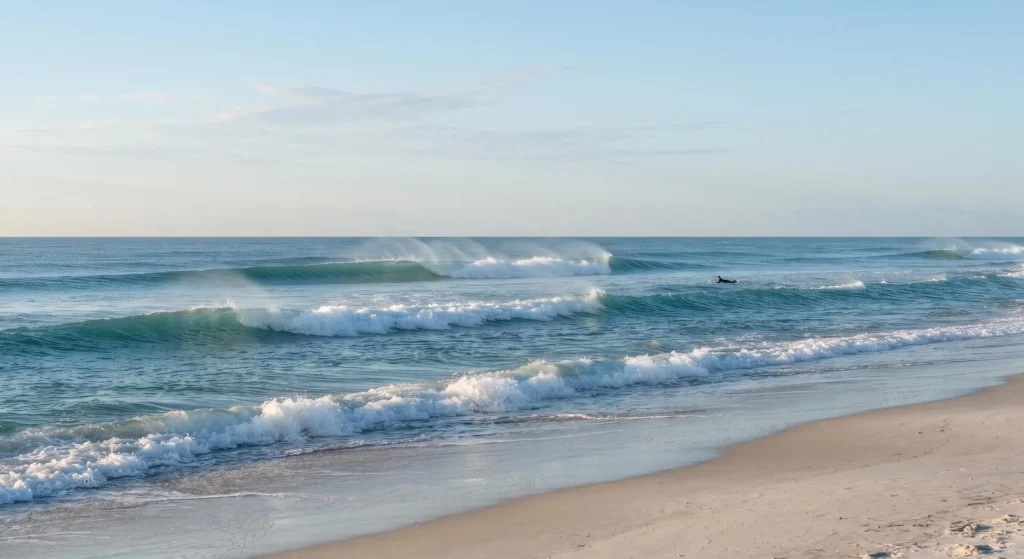
Delray Beach is a fairly exposed beach break with surf that can work in any season. It breaks both left and right and works best around mid tide on a falling tide. It gets crowded when it is firing.
The best setup is a northeast swell with a west wind blowing offshore. The most common swell comes from the east northeast. Wind from the southeast often leaves the surface messy.
Seasons and Water Temperature
Winter brings the cleanest waves and January rates best. Even then clean surf shows up only a small share of the time. A typical July has surfable swell around one percent of the time.
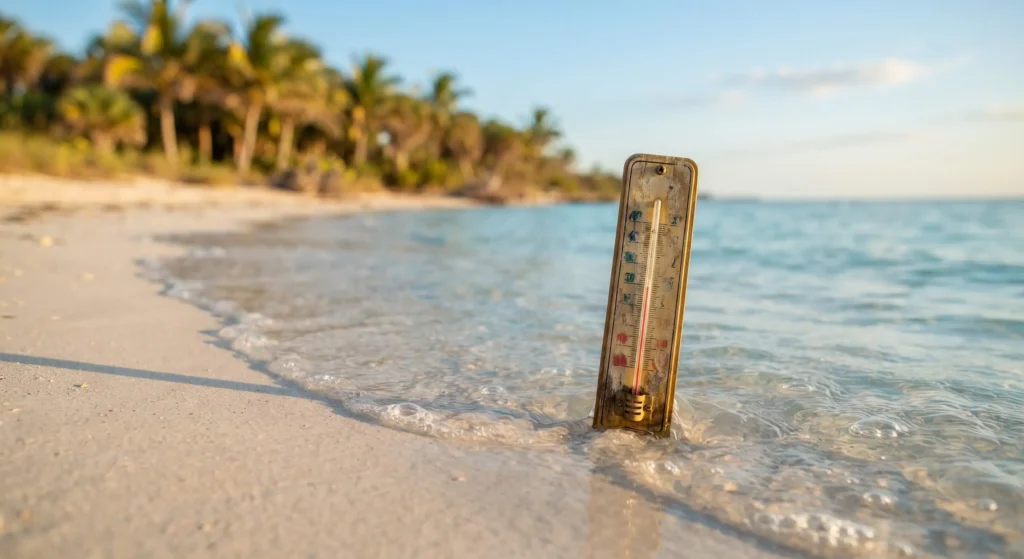
Water peaks around 84 to 86 degrees in early to mid August and dips to roughly 72 to 75 degrees in early February. A 2 millimeter top or shorty helps in winter at dawn and dusk. Rough surf can also push shells ashore so see our beach shells guide.
Flags Rip Currents and Beach Rules
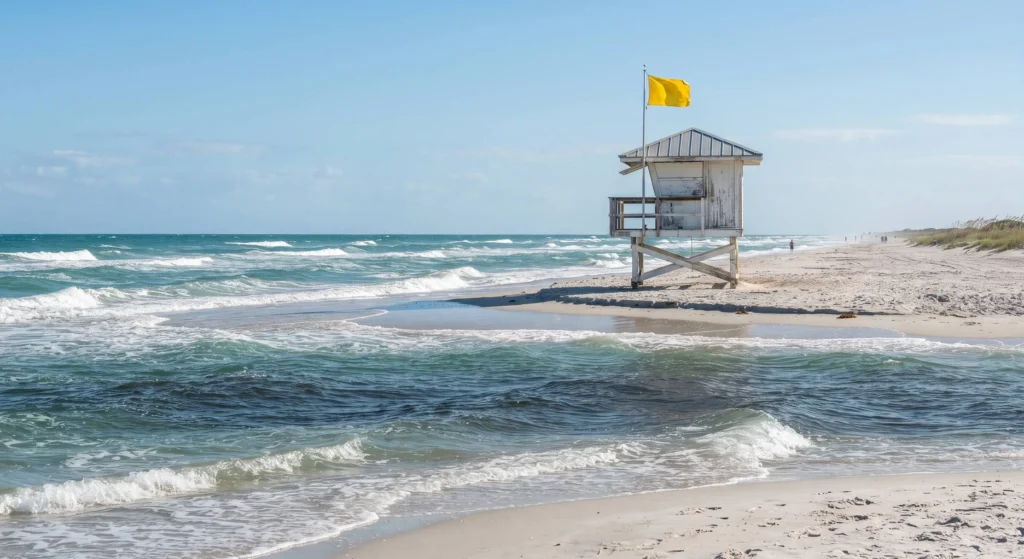
The city beach page posts a daily flag color along with surf conditions and hazards. Learn the colors from the lifeguard tower and swim near a guard. Rip currents are a recurring hazard along this coast.
The same page lists surf chairs at several lifeguard towers and says dogs are not permitted on the municipal beach. Read the current city beach conditions page before you go. A forecast site such as Surf Forecast adds swell and tide detail.
Parking and Getting Around Downtown
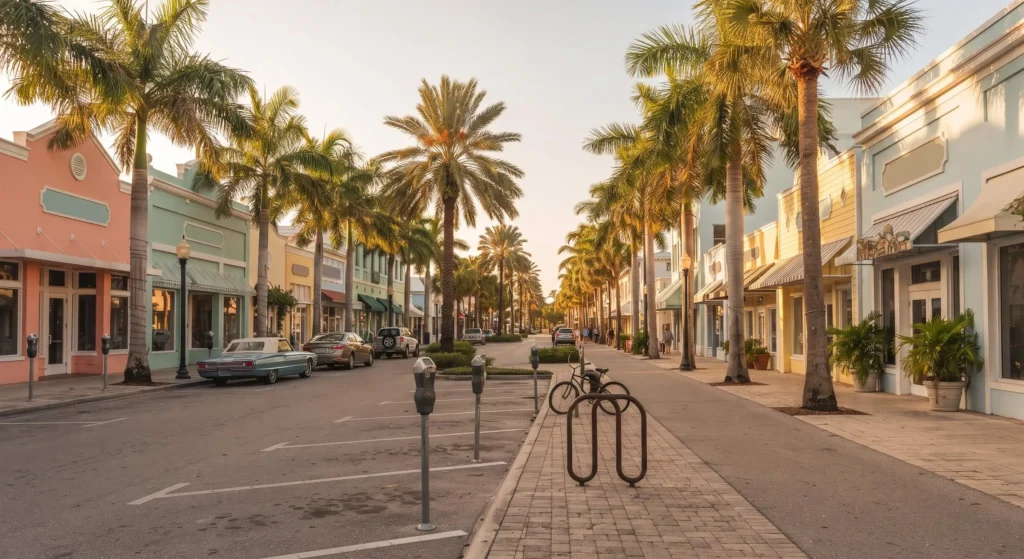
Downtown uses metered lots and street spaces and enforcement is strict. Beach parking can be limited in peak season. Payment is usually through a parking app.
The city is very walkable along Atlantic Avenue and the beach. A free downtown shuttle ran in a 2021 guide so confirm it is still running. Accessible parking is listed at the main pavilion and Atlantic Dunes Park.
When to Visit and What to Do Off the Sand

December through April is mild and dry. Summer is hot and humid with afternoon storms. Plan beach time for the morning in warm months.
Off the sand try the Pineapple Grove Arts District and Old School Square events and First Friday art walks. The Morikami Museum and Japanese Gardens suits a slower day. The Delray Affair art festival draws crowds so book early.
Storm Check
Summer afternoons can bring thunderstorms. If dark clouds build over land by early afternoon then pack up and move your car before the weather arrives.
Frequently Asked Questions
Check the Cam Then Check the Rules
A quick look at a camera saves a wasted trip. Pair it with the official flag color and you are ready for a smart beach day.
Keep planning with North America or Things to Do for Florida ideas and beach planning.


