
Travel Warning Caribbean Guide to Levels and Safer Trips
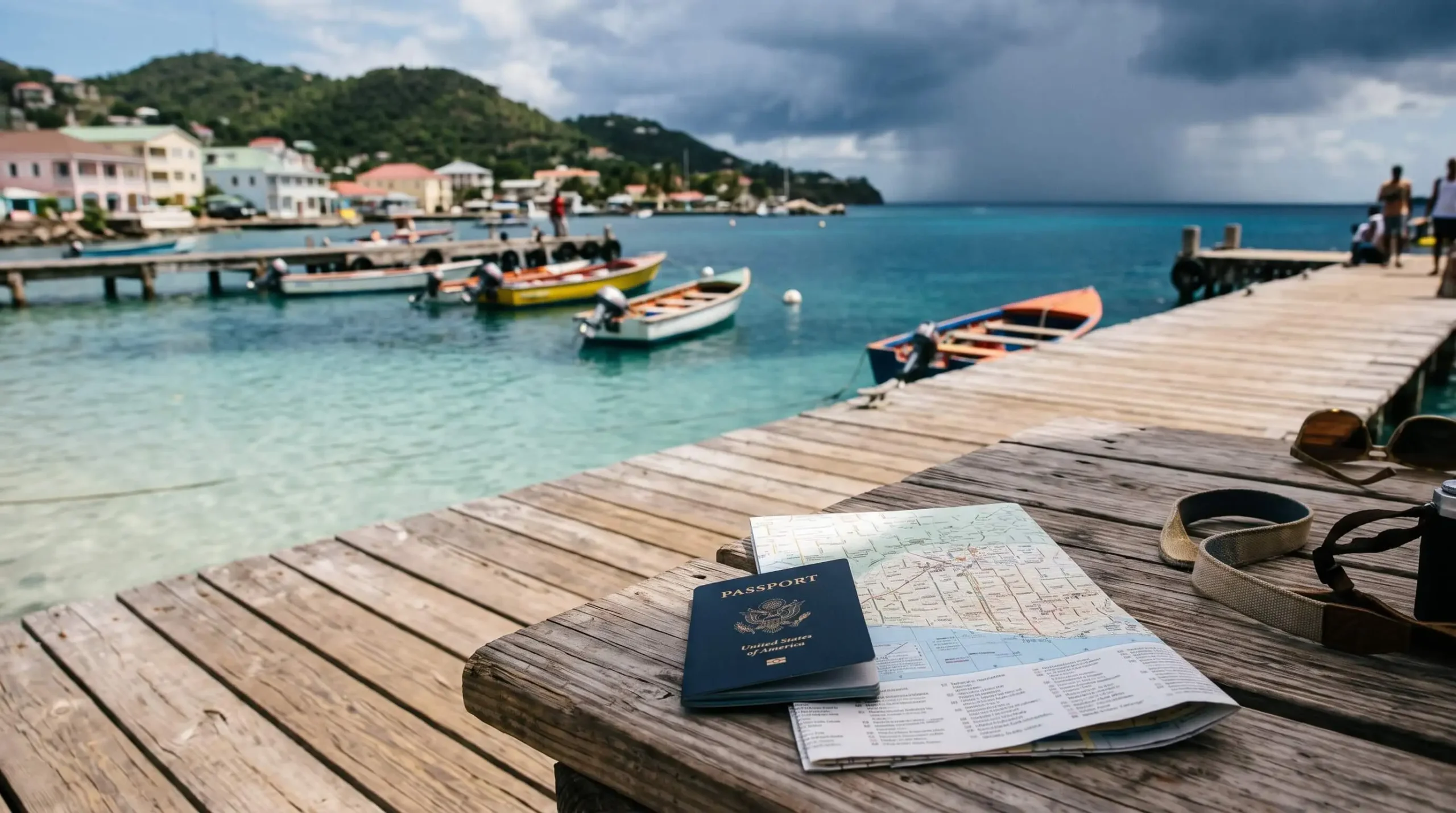
One alert headline can make a Caribbean trip feel risky overnight. The real picture is usually narrower than the headline.
Advisory levels run from 1 to 4, and what a Level 2 means for one island rarely applies to the next. Insurance and bookings react to those levels in different ways.
Here is how to read any travel warning Caribbean islands receive, when to recheck it and how it touches your insurance.
The Four Levels in Plain English
| Level | Official label | What it means for you |
|---|---|---|
| Level 1 | Exercise normal precautions | Plan as usual |
| Level 2 | Exercise increased caution | Learn local risks and stay alert |
| Level 3 | Reconsider travel | Ask whether the trip is necessary |
| Level 4 | Do not travel | Avoid it because U.S. help may be limited |
Levels can differ inside one country so a warning may apply to a single region. Advisories weigh crime, terrorism, unrest, health and natural disasters. Read the full text and not just the number.
Travel Warning Caribbean Islands Where Levels Change
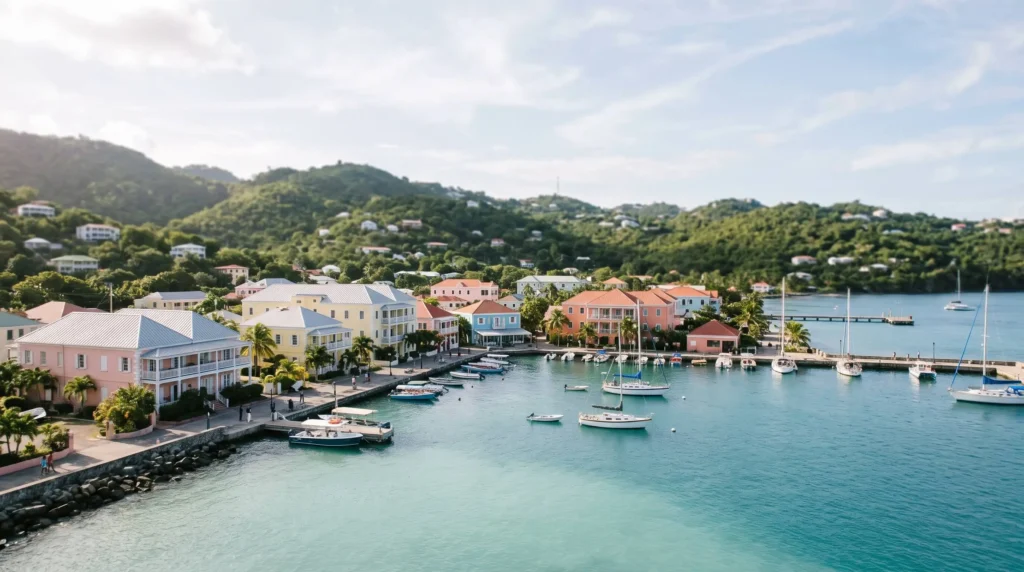
Levels move over time so treat any list as a snapshot. Jamaica was reported to drop from Level 3 to Level 2 in January 2026 after Hurricane Melissa. Aruba, Bonaire and Curaçao were reported at Level 1 as of August 2026.
Recent reports put Haiti at Level 4 and Trinidad and Tobago at Level 3, after a nationwide state of emergency there on March 2, 2026. The Bahamas, Turks and Caicos, the Dominican Republic, Jamaica, Grenada and Cuba sit at Level 2, with the Bahamas warning about crime in Nassau and Freeport plus boating and jet ski accidents. Barbados, Anguilla, the Cayman Islands and the British Virgin Islands were listed at Level 1. Always confirm the live map before you book.
Turks and Caicos has one pain point that catches visitors out. Its firearms law is strict enough that a single bullet left in a bag can lead to arrest, so check every pocket of your luggage. Cuba is Level 2 for crime and unreliable power, and U.S. law restricts tourist travel there.
Planning an island with a calmer record? Our guide to the best time to travel to Aruba covers seasons and wind.
How a Warning Hits Your Insurance and Bookings

Insurers may exclude benefits when a destination carries a Level 3 or Level 4 advisory. That can include medical and evacuation cover. Policy wording varies so read the exclusions.
A standard plan usually does not cover cancellation because of an advisory alone. Cancel for any reason coverage fills that gap and generally needs to be bought before the advisory appears. Storms work differently because a policy bought after a named storm is forecast typically will not cover it.
Staying Safe in Busy Tourist Areas
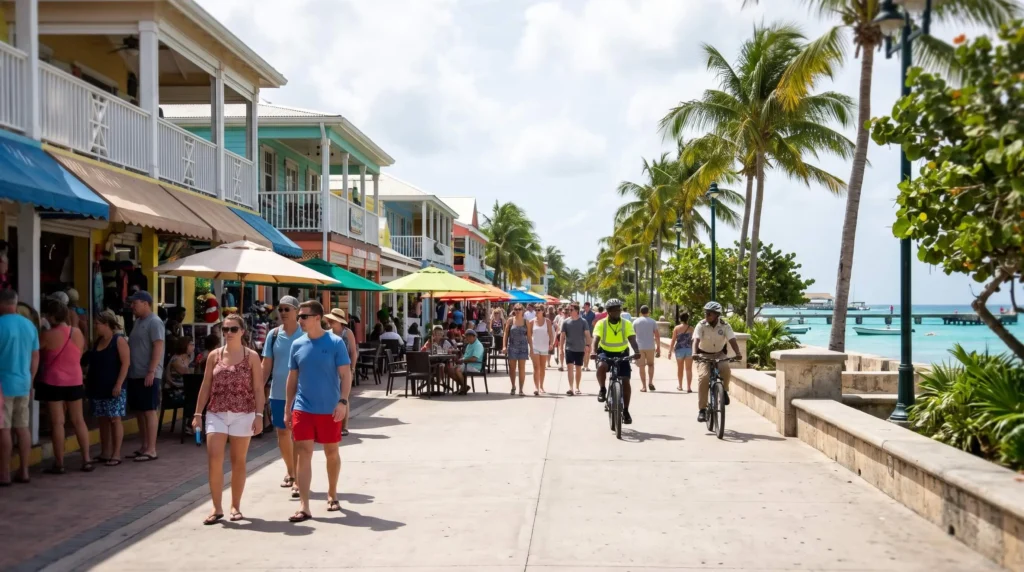
Stick to well patrolled tourist zones and keep valuables out of sight. Stay alert at night and avoid walking alone after dark. If a robbery happens do not resist.
Be careful with short term rentals that have no private security. Watch for car break ins at traffic lights. Check the reputation of water sports operators before you book.
The State Department does not issue advisories for U.S. territories such as Puerto Rico and the U.S. Virgin Islands, so check local news there instead.
A US territory can feel more familiar for a first trip. Our guide to St Thomas shows what that looks like and our Barcelo Bavaro Beach guide covers a resort stay in the Dominican Republic.
Hurricane Season and the Best Months to Go
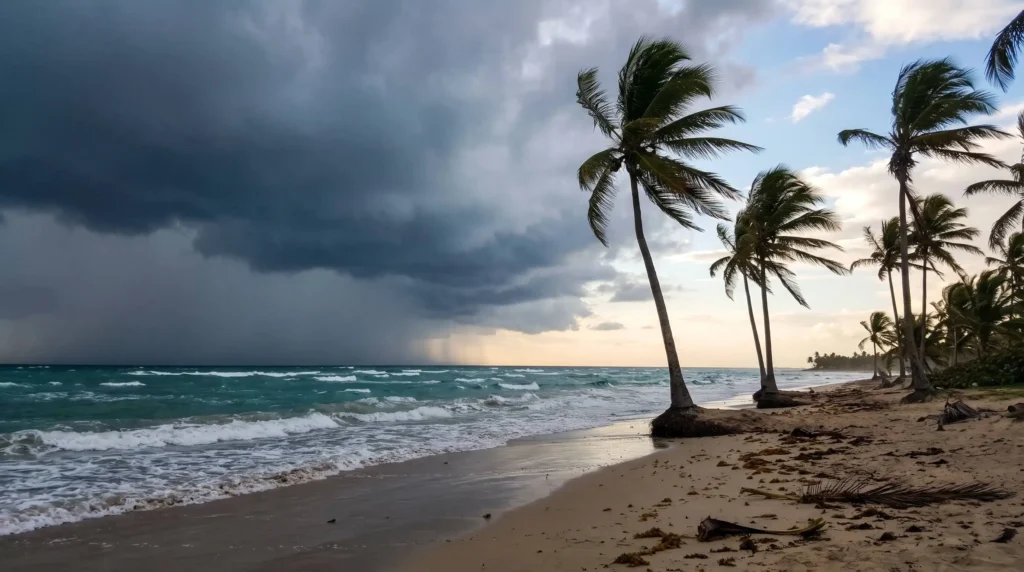
The Atlantic season runs from June 1 to November 30 and peaks between August and October. The dry season from mid December through April is the easiest time to visit. May, June and November often bring lower prices and fewer crowds.
Aruba, Bonaire and Curaçao sit south of the usual storm paths. The National Weather Service explains the main hurricane hazards and season dates in one place.
Enroll Before You Fly

The Smart Traveler Enrollment Program is free and takes a few minutes. It lets the embassy send alerts and reach you during a disaster or unrest. You can add or remove trips as plans change.
The official US government travel pages list travel advisories and the STEP sign up in one place. Save a copy of your passport and insurance details and share your plan with family.
Smart Booking Rules When Warnings Change

Choose refundable rates when you can and compare two or three islands before paying. Buy insurance soon after you book so storm and advisory rules work in your favor. Read the cruise line terms if you plan to sail.
Set a calendar reminder to recheck the advisory before you fly. A flexible plan turns a headline into a small change and not a ruined trip.
Recheck Rule
Advisory levels can change before you fly. Check again about two weeks out and once more the day before departure.
Frequently Asked Questions
Plan Around the Facts and Not the Headline
Read the advisory text, check insurance wording and pick the right month. Those three steps remove most of the worry.
More island ideas and trip planning sit in North America or Things to Do.


