
10 Days in Italy by Train Through Rome, Florence and Venice
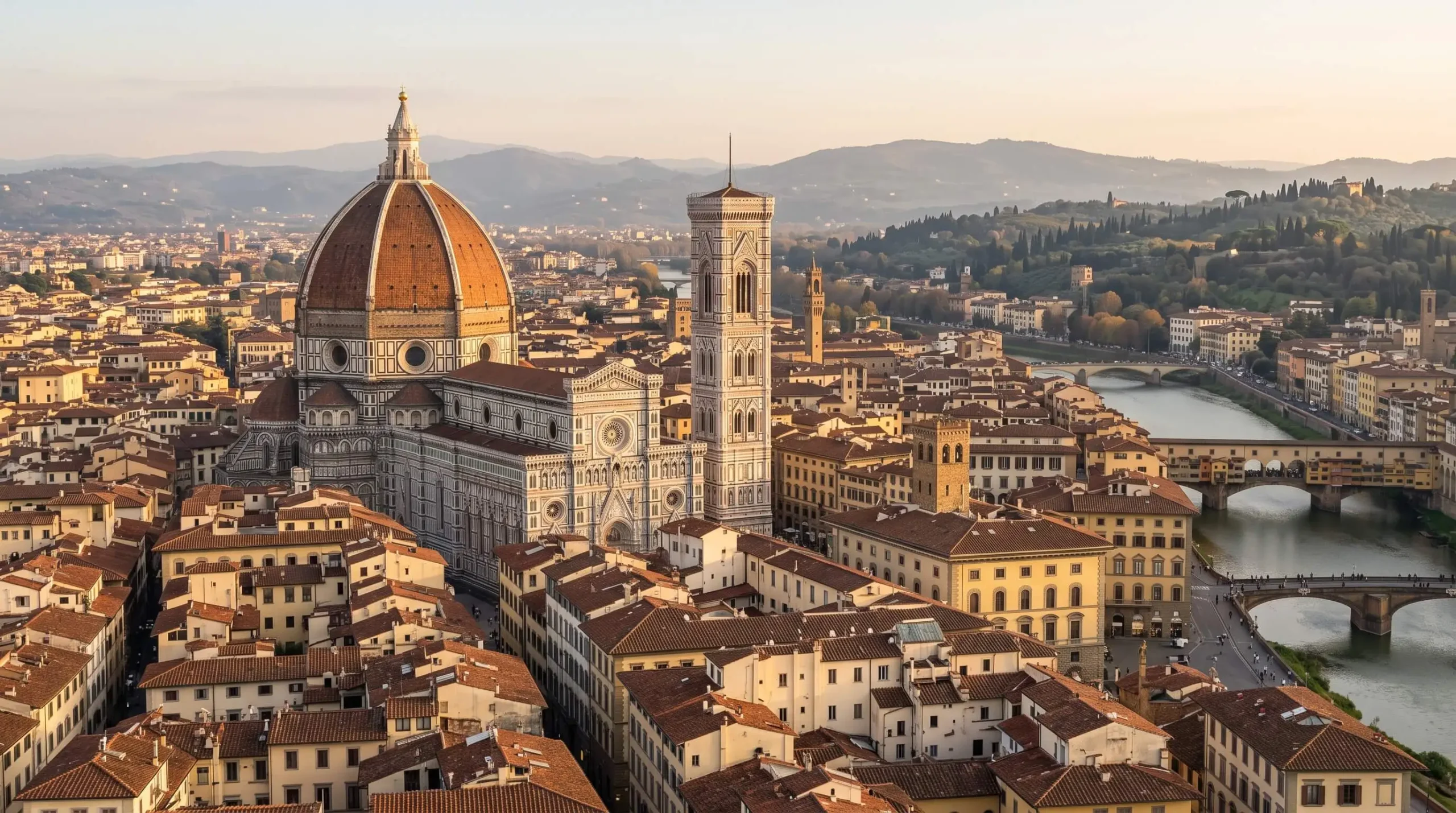
Three cities or four? Most first timers argue with themselves over that, and the usual advice is to pick three.
Italy’s fast trains make the choice easy. Florence to Rome takes about 1 hour 18 minutes and Rome to Naples about 1 hour 8 minutes. Many travelers call an overnight in Naples just for Pompeii a waste of time.
This plan for 10 days in Italy spends four days in Rome, three in Florence and three in Venice, and treats Pompeii as a day trip. The Vatican Museums are the one stop that needs real planning.
The 10 Days in Italy Plan Split Across Three Bases
| Days | Base | Main stops |
|---|---|---|
| 1 to 4 | Rome | Colosseum, Vatican Museums and Pompeii as a day trip |
| 5 to 7 | Florence | Duomo, Uffizi and a Tuscan countryside day |
| 8 to 10 | Venice | Grand Canal, St Mark’s and the lagoon islands |
Count your arrival and departure days honestly. Many first-timers forget they lose half a day at each end.
Rome Earns the Longest Stay on Days 1 to 4
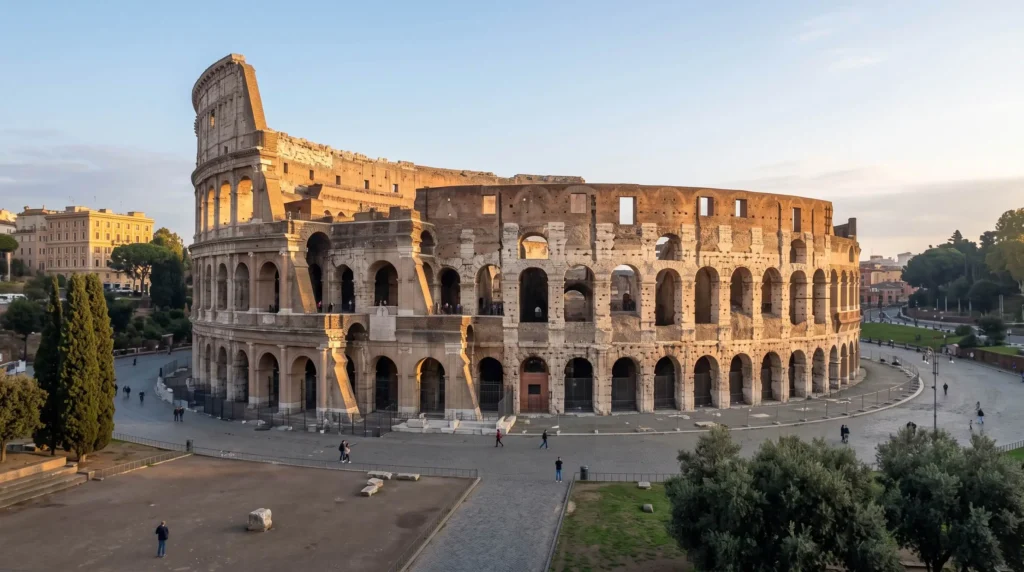
The Colosseum began under Vespasian around AD 70 to 72 and Titus finished the top level in AD 80. It measures 189 meters long and 156 meters wide. Modern estimates put its seating at around 50,000 people.
Beneath the arena sat a two-level network of tunnels and cages for gladiators and animals. The Colosseum is part of the UNESCO-listed historic centre of Rome. Book timed entry before you fly.
The Vatican Museums Are a Planning Problem
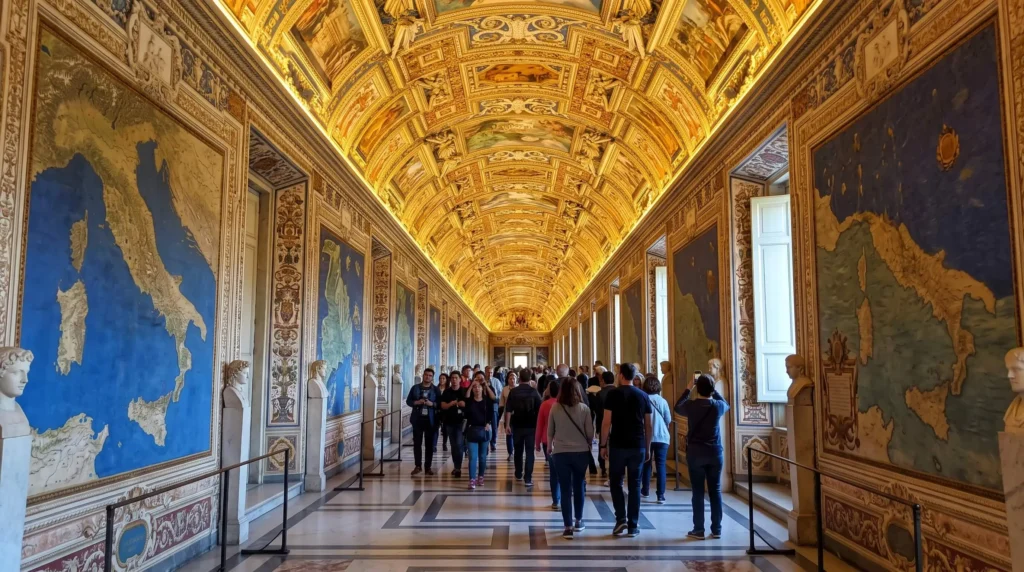
The Vatican Museums drew about 6.8 million visitors in 2024, which makes them the second most-visited art museum in the world. Pope Julius II founded them in the early 16th century after buying the sculpture Laocoön and His Sons. The route runs through 24 galleries and ends in the Sistine Chapel.
Michelangelo painted the Sistine ceiling between 1508 and 1512. The museums open free on the last Sunday of each month. The crowds that day are heavy. Buy tickets from the official site to avoid resellers.
Dress for Churches
Many churches and the Vatican expect covered shoulders and knees. A light scarf in your day bag solves it.
Skip the Naples Overnight and Do Pompeii as a Day Trip
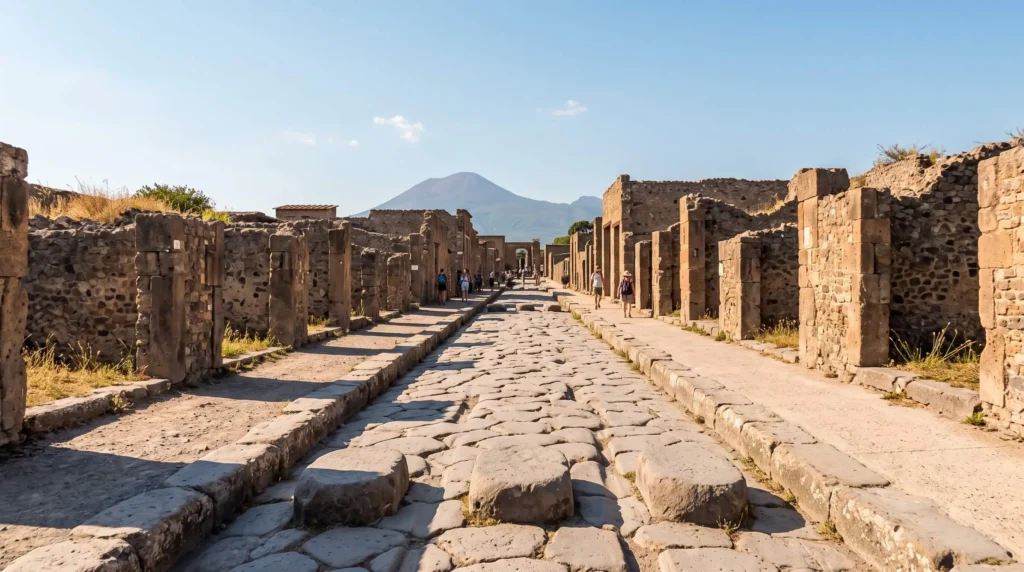
Vesuvius buried Pompeii under 4 to 6 meters of ash and pumice in AD 79. Systematic digging began in 1748 and UNESCO listed the site in 1997. About 2.5 million people visit each year.
Travelers often weigh an overnight in Naples against a day trip. The overnight wastes time. A pizza class in Rome makes better use of an evening. Rome to Naples is only about 1 hour 8 minutes by high-speed train.
Florence Rewards People Who Like Art on Days 5 to 7
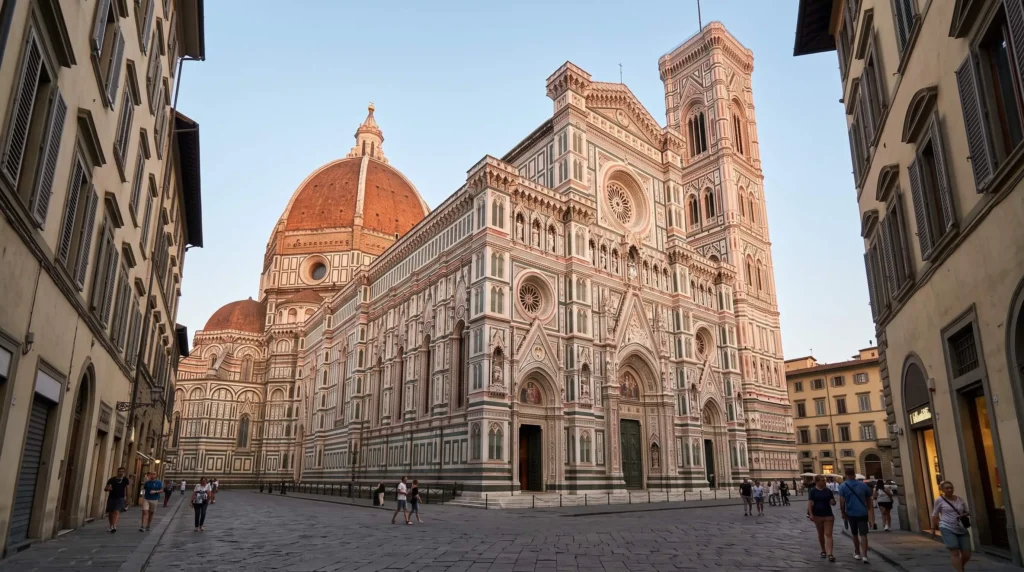
Florence Cathedral took 140 years to build. The first stone was laid in 1296 and Brunelleschi’s dome was finished in 1436. It is described as the largest masonry dome in the world and climbing it takes 463 steps.
Florence suits museum lovers and may disappoint travelers who prefer outdoor time. If that sounds like you, shorten Florence and add Tuscan countryside. The historic centre has been UNESCO-listed since 1982.
Venice on Days 8 to 10 Is Walking, Water and a Day-Visitor Fee
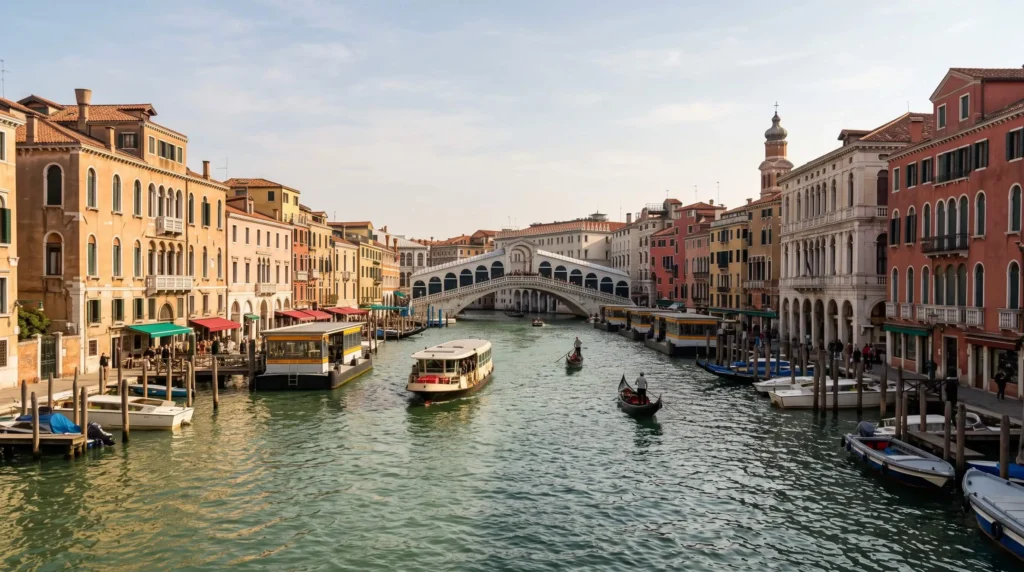
Venice and its lagoon became a UNESCO World Heritage Site in 1987. There are no cars, so you move on foot or by vaporetto. Flooding is a real issue and the November 2019 flood peaked at 1.87 meters, the highest since 1966.
The city also charges day visitors an access fee on selected days. In 2026 the pilot ran on 60 non-consecutive days from April 3 to July 26 and cost 5 euros when booked early or 10 euros within four days. The City of Venice publishes the dates each season, and the 2026 season has ended, so check the 2027 calendar before you book.
The 2026 run took in more than 5 million euros in its first 60 days. Venice’s new mayor has since floated a dynamic fee of up to 50 euros on peak days and has said the council may extend it to more dates or the whole year. Expect the 2027 rules to change, so check the city calendar before booking.
When You Want a Coast Instead of a City
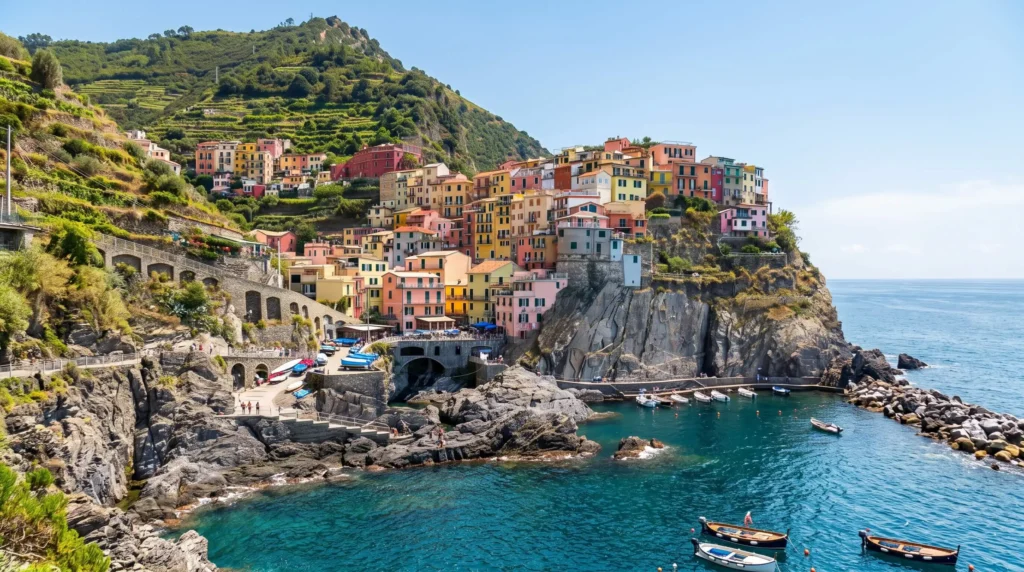
Cinque Terre is a string of five villages in Liguria and a UNESCO World Heritage Site since 1997. Trains, paths and boats connect them because cars face severe limits. Sections of the Sentiero Azzurro trail often close after landslides, so check before you hike. If you want landscapes instead of cities, see our guide to Iceland.
The Amalfi Coast stretches about 40 kilometers along the Sorrentine Peninsula and has been UNESCO-listed since 1997. The narrow Strada Statale 163 hugs the cliffs and buses and ferries serve the towns. Naples is the gateway for both Pompeii and the coast.
Some travelers consider swapping Venice for Lake Como. On a first visit it is better to stick with the classic cities. Portugal is another easy rail country, covered in our Portugal guide.
If Lake Como tempts you, note that the town of Varenna fines bare chests and swimwear in its streets by up to 200 euros, which shows how local rules are tightening in small tourist towns.
Trains Do the Heavy Lifting
Trenitalia and the private operator Italo compete on the high-speed corridors, which usually keeps fares competitive. Traveling by train, ferry and on foot with no rental car avoids restricted driving zones in historic centers.
Book fast trains ahead since seats and prices change by day. Keep a buffer for strikes and delays.
Strikes are a real planning risk. An air traffic control strike was announced for November 21, 2026 from 1 PM to 5 PM, with Venice and Milan Malpensa listed. Check union strike calendars before you fly, and keep a flexible ticket if you connect that afternoon.
Weather in Italy Across Ten Days
Most of Italy has a Mediterranean climate with hot dry summers and mild wet winters. The north around the Po Valley is more humid with cool winters and hot summers. On some winter days it can be minus 2 degrees Celsius and snowing in Milan while Rome sits at 8 degrees.
Heatwaves and sudden storms have become more common. Pack layers and plan outdoor sights for mornings in summer.
Packing and Budgeting Without Guesswork
Wear shoes that handle cobblestones and carry a scarf for church visits. A light rain layer works in most months. Keep valuables close in crowded stations. A scarf also helps inside the Vatican Museums, which publish their dress code online.
Budget in buckets: flights, trains, lodging in three cities, timed tickets, food and the Venice fee when it applies. Prices move too often to print here, so check current quotes. Venice charges a day visitor fee on certain dates and the City of Venice publishes the calendar.
Frequently Asked Questions
Choose Three Bases and Let the Trains Do the Work
Italy gets easier once you stop trying to see everything. Pick three bases and give each one time to breathe.
Pick your next destination from Europe or Things to Do.


