
Best Things to Do in Arizona From Canyons to Red Rocks and Saguaro Country
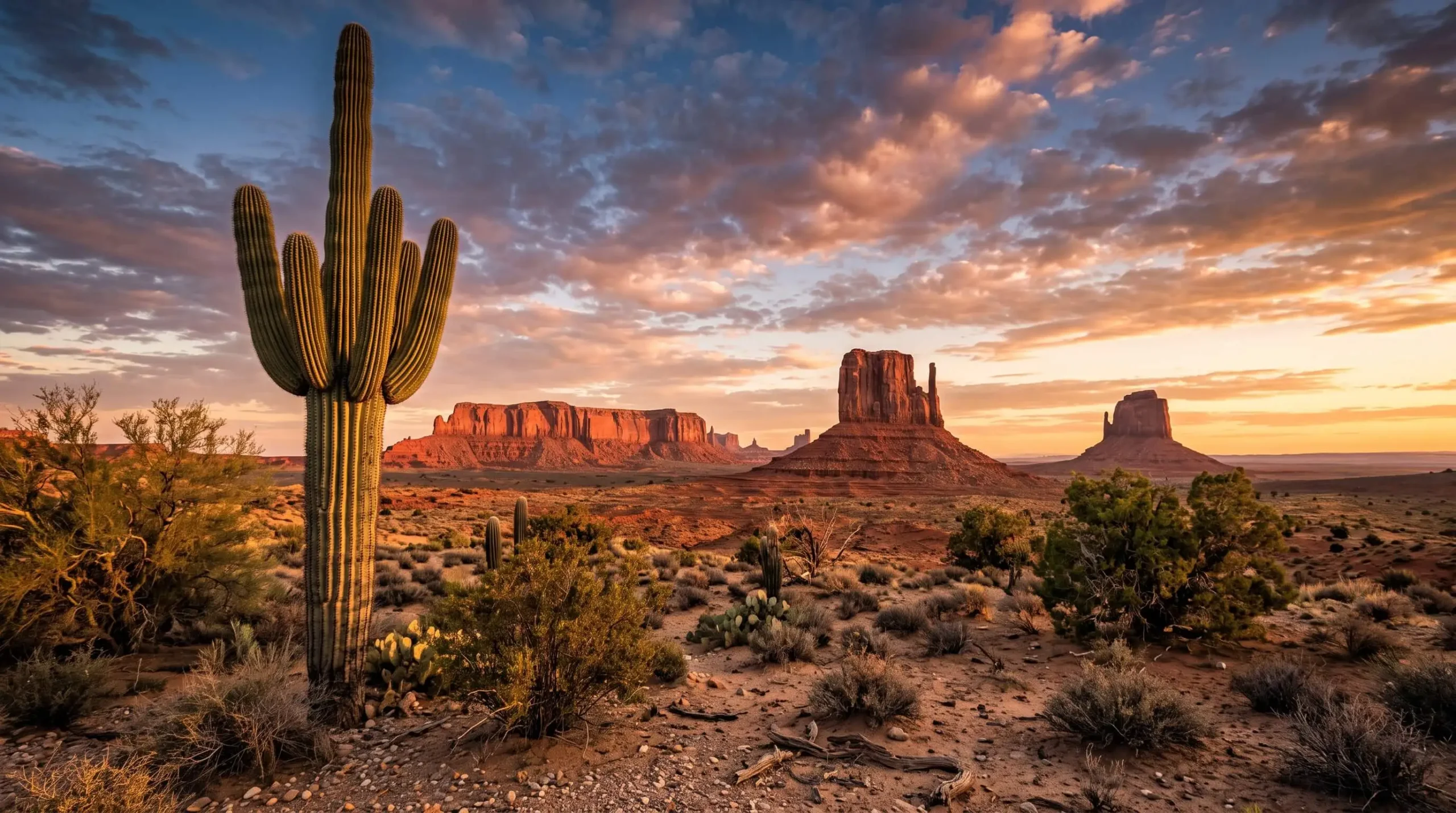
Three nights in Sedona, one at the Grand Canyon, one in Page and two in Scottsdale. That is the week most people sketch, and then they wonder where it breaks.
It breaks on driving. One night at the Grand Canyon is usually enough, and people who hurry end up seeing mostly pavement.
Here are the best things to do in Arizona, grouped so each drive earns its time. The sections cover Sedona’s trailhead pass, Page for Antelope Canyon and Horseshoe Bend, and the saguaro country around Tucson.
The Best Things to Do in Arizona Grouped by Region
| Region | Base | Headline stop |
|---|---|---|
| Phoenix and Scottsdale | Scottsdale | Desert hikes at sunrise and an evening in Old Town |
| Sedona and Flagstaff | Sedona | Red rock trails and Oak Creek Canyon |
| Grand Canyon | Inside the park or Williams | South Rim viewpoints at sunrise and sunset |
| Page | Page | Antelope Canyon and Horseshoe Bend |
| Tucson | Tucson | Saguaro National Park and old mining towns |
Seven days is enough for three bases with the rest as day trips. The sections below follow the order most first-timers drive.
Sleep One Night at the Grand Canyon South Rim
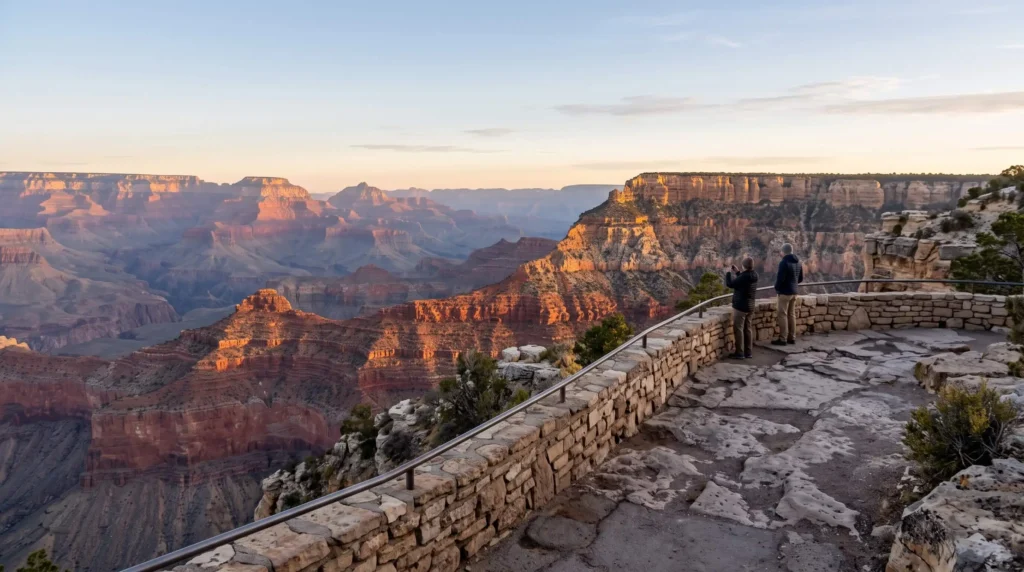
The South Rim is the classic stop and the one most trips are built around. Most planners agree one night is enough because you see a good part of the rim on arrival day and finish the rest the next morning. Sleeping inside the park or close to the gate puts you at the edge for sunrise without a drive.
The Rim Trail is flat and suits every fitness level. Hiking below the rim is a bigger commitment because the climb back takes far longer than the descent. Save inner canyon trails for a day when you can start early and carry plenty of water.
Free shuttle buses link the viewpoints and trailheads on the South Rim, and parking is very limited, so riding the shuttle saves time.
Foreign visitors should know about a new cost. News reports this fall say a $100 fee for international visitors now applies at the Grand Canyon and about ten other popular national parks. Grand Canyon businesses blame it for lower tourism, and an Arizona lawsuit challenges it, so check the park’s current fee page before you book.
Sedona Means Red Rocks and a Trailhead Pass
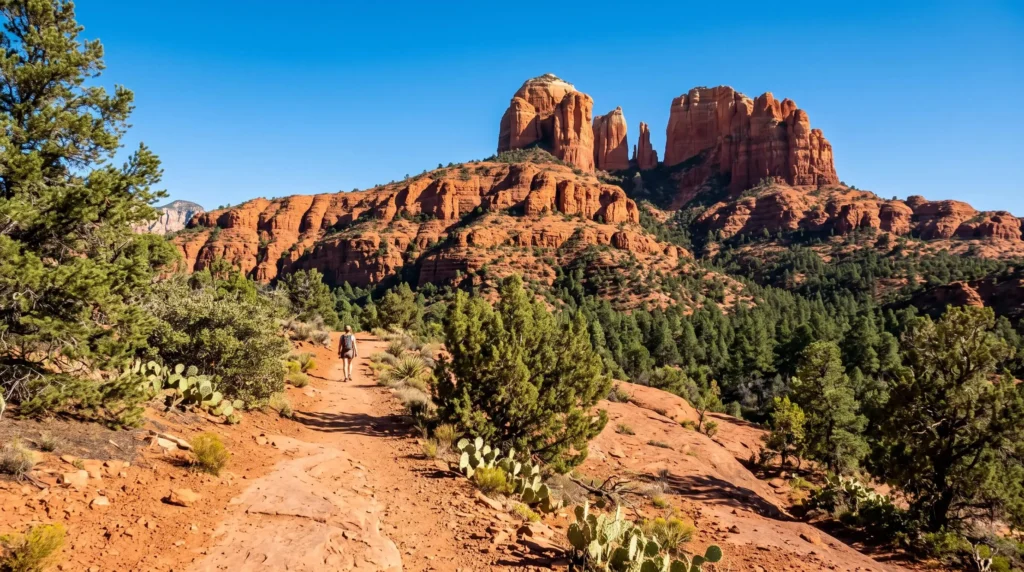
Sedona is where the rock turns orange. It is the easiest place in the state to spend days without running out of trails. Creek walks in Oak Creek Canyon and short sunrise viewpoints fill a first visit nicely. The drive between Sedona and the Grand Canyon takes roughly 2.5 hours by way of Flagstaff.
Many trailheads in the surrounding Coconino National Forest ask for a pass displayed in your vehicle. The Forest Service explains the Red Rock and Coconino passes program on its site, including which sites accept each pass. Sources list the daily pass at about $5, and the free Sedona shuttle is an easy way to skip crowded trailhead lots. A Red Rock Pass is not valid at national parks or state parks, so check before you park.
Time Zone Check
Most of Arizona skips daylight saving, so the gap with California changes twice a year. The Navajo Nation does observe it, so confirm the time zone on any tour booking.
Page for Antelope Canyon and Horseshoe Bend
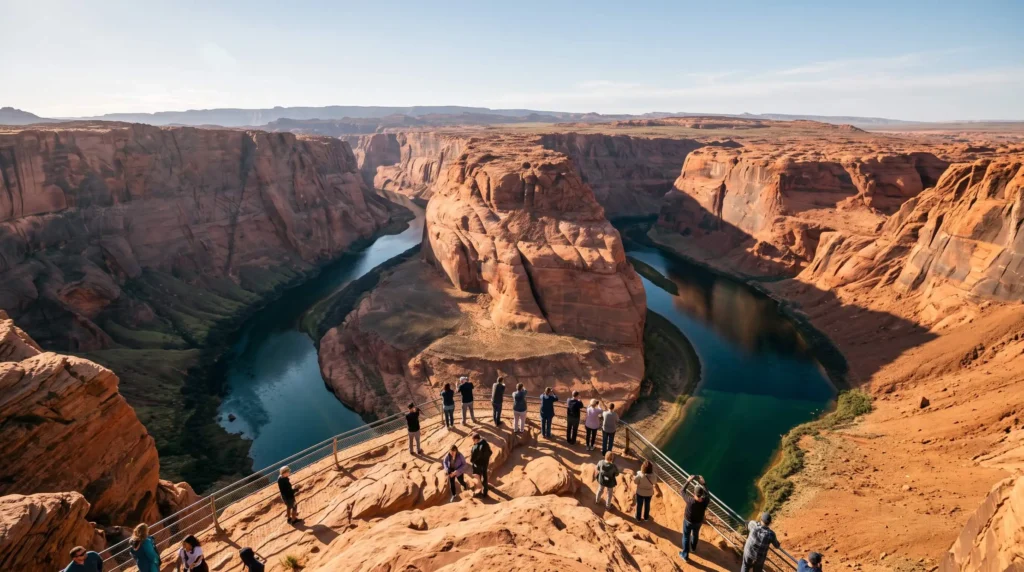
Page is the town people ask about most, usually in the form of is it worth the drive or should I skip it. If slot canyons and photography matter to you then it earns a night. On a short trip Sedona and the Grand Canyon give you more for the miles.
Antelope Canyon sits on Navajo Nation land and can only be visited with an authorized guided tour, so book before you travel. Horseshoe Bend is a short walk from a parking area that the City of Page runs, so national park passes do not cover it. Most sources list the fee at $10 per vehicle and say the lot fills by mid morning in peak season. Light and crowds change fast at the overlook, so check sunset time first.
Saguaro Country Around Tucson
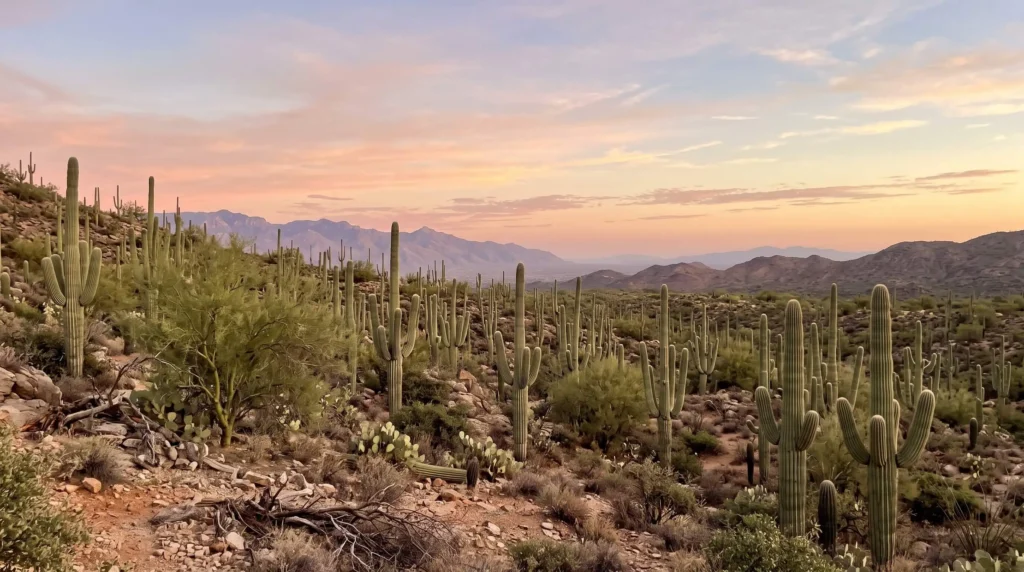
The giant saguaro grows only in the Sonoran Desert, which makes Tucson the place to see it up close. Saguaro National Park wraps around the city in two sections, so pick the one nearest your hotel. Short desert loops at sunrise are cooler and quieter.
Tucson is also a calmer base than Phoenix in winter. Pair it with Bisbee or Tombstone for an afternoon in an old mining and frontier town.
Arizona also has a brand new national park. Chiricahua National Monument in the southeast corner was redesignated Chiricahua National Park this month, making it the state’s fourth national park. Known for its Wonderland of Rocks, it fits well as a detour from Tucson, Bisbee or Tombstone.
Petrified Forest and Meteor Crater Along the Interstate
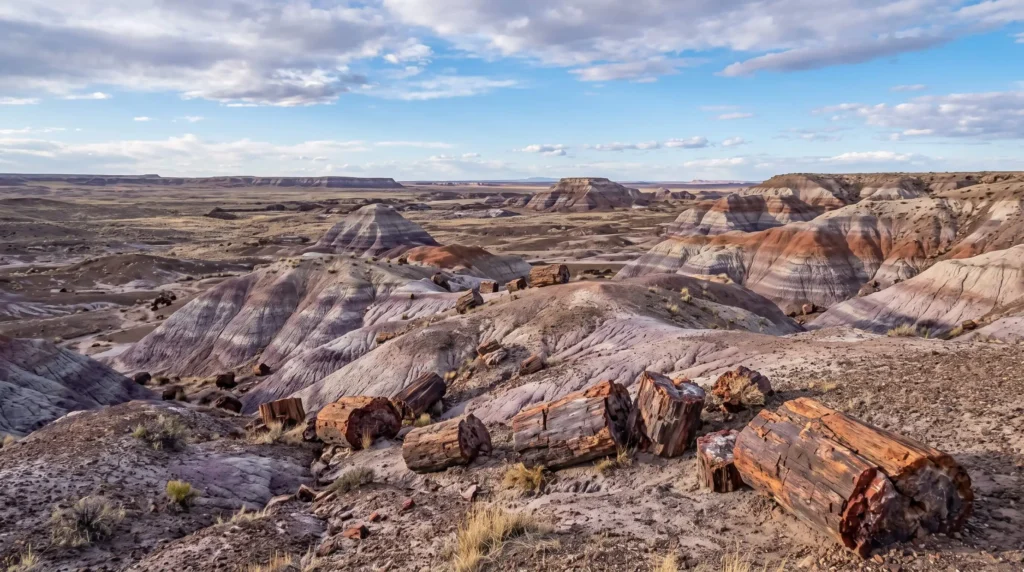
Northern Arizona hides two stops that suit a drive between Flagstaff and New Mexico. Petrified Forest National Park scatters hundreds of colorful Triassic logs across open ground. Meteor Crater near Winslow is one of the best-preserved meteorite impact sites on Earth.
Both are one or two hour stops. They work best as a break on a longer drive and not as a day on their own.
Phoenix and Scottsdale for the Desert Basics
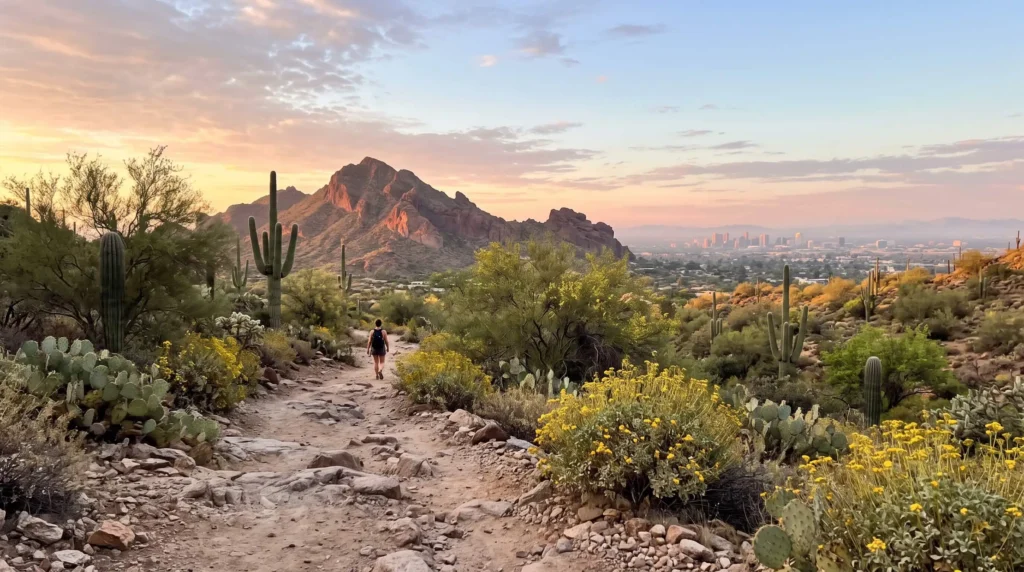
Phoenix is where most flights land. The valley rewards a morning outdoors before the heat builds. Desert preserves, botanical gardens and mountain trails sit minutes from downtown. Scottsdale adds galleries and a walkable old town for evenings.
Summer afternoons here are punishing, so plan hikes before breakfast and museums for midday. Our guide to the best time to visit Death Valley shows how fast desert heat can rewrite a plan.
Havasu Falls and Lake Powell Need Planning
Havasu Falls draws people with turquoise pools, but visits run on permits from the Havasupai Tribe and spots sell out. Lake Powell suits boating and kayaking among red rock coves, with houseboats for longer stays.
The Wave on the Arizona and Utah border also uses a permit system. Do not build a trip around it without a confirmed spot.
Which Season Fits Which Part of Arizona
Winter suits the desert south, with Phoenix and Tucson pleasant while the Grand Canyon can see snow. Summer flips that, because the high country around Flagstaff and the rim is cooler than the valley.
Spring and fall give the easiest balance for a loop that includes both. Whatever the month, pack layers and check the forecast for each stop separately.
A Seven Day Loop That Keeps Driving Sensible
Fly into Phoenix and head north to Sedona for three nights. Move to the Grand Canyon South Rim for one night then continue to Page if slot canyons are on your list. Finish with the drive back to Phoenix or Scottsdale.
That mirrors the route most first-timers sketch and trims it only slightly. If you want to stitch Arizona into a longer route, our national park road trip guide helps you link several parks in one drive.
One practical note for Sedona is that many trailheads need a pass, which the Red Rock and Coconino passes program explains.
Frequently Asked Questions
Trim the List and Leave Room to Look
Arizona rewards people who choose fewer stops and stay longer at each one. Start with the Grand Canyon and Sedona then add Page or Tucson based on what you enjoy.
More destinations sit in North America or Things to Do.


