
Things to Do in Santiago, Chile Across Hills, Museums and Wine Country
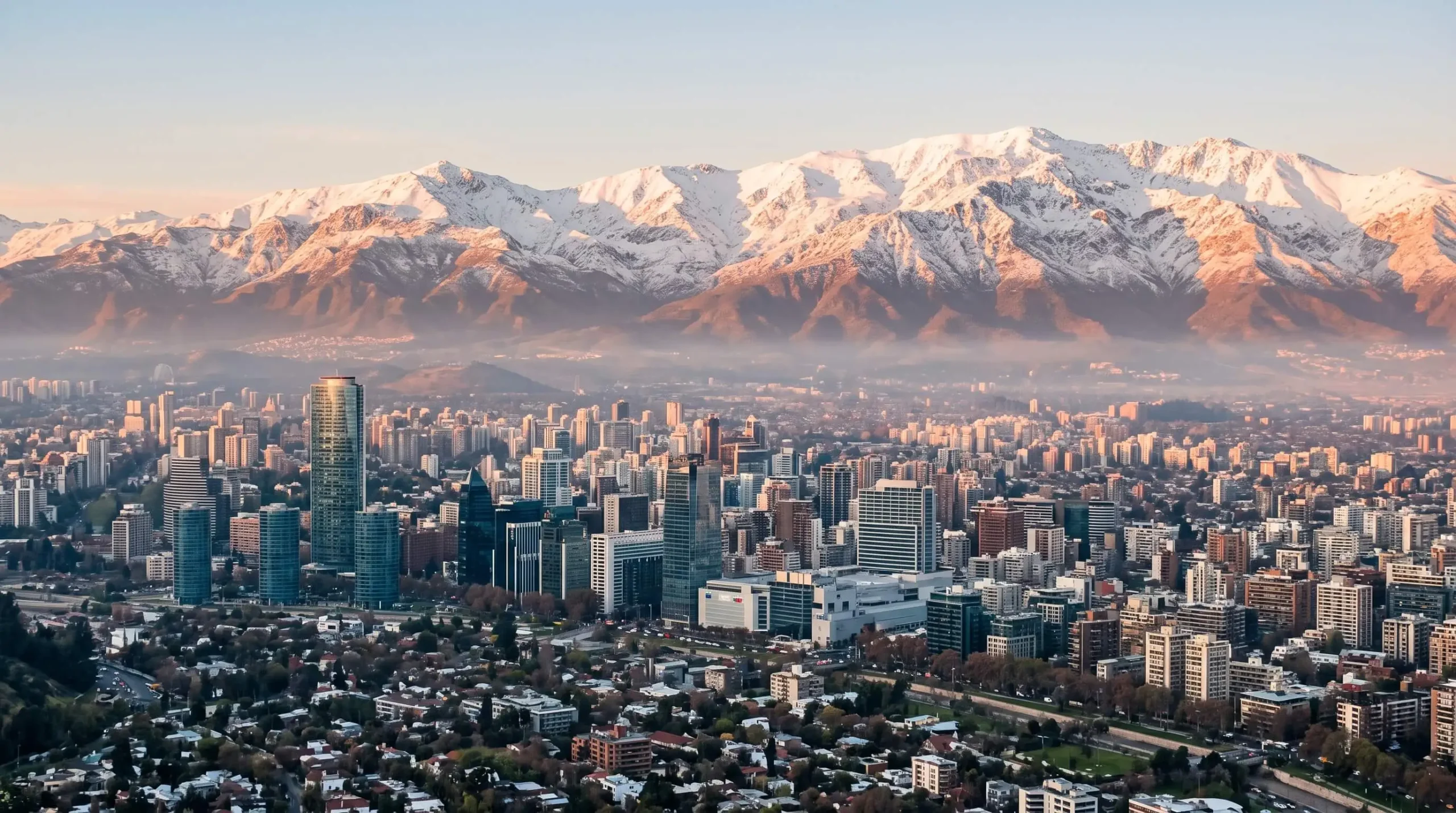
You land at 10 a.m. and your next flight leaves at 5 a.m. tomorrow. That is a long layover in Santiago, and the day can go very well or very badly.
The city sits between the Andes and the Chilean Coastal Range, so views are never far. A hill, a square and a good dinner cover a short stay, while museums and the Maipo Valley fill longer ones.
I built the things to do in Santiago, Chile around how much time you have, from a long layover to four days. One hill and one museum a day keeps the pace sane.
Things to Do in Santiago, Chile Sorted by How Much Time You Have
| Time | Plan |
|---|---|
| A long layover | Santa Lucía Hill and dinner in Lastarria |
| One day | San Cristóbal Hill and Santa Lucía plus one museum |
| Two or three days | Add Bellavista, Sky Costanera and the Museum of Memory |
| Four days or more | Add a Maipo Valley winery and Valparaíso |
Santiago is spread out, so group stops by neighborhood and let the Metro do the long hops.
On a layover, allow a three hour buffer to get back to the airport, because traffic builds from about 5 to 8 PM. The airport sits about 15 km from the center and the Metro runs direct.
Santa Lucía Hill Is the Easiest Win in the Center
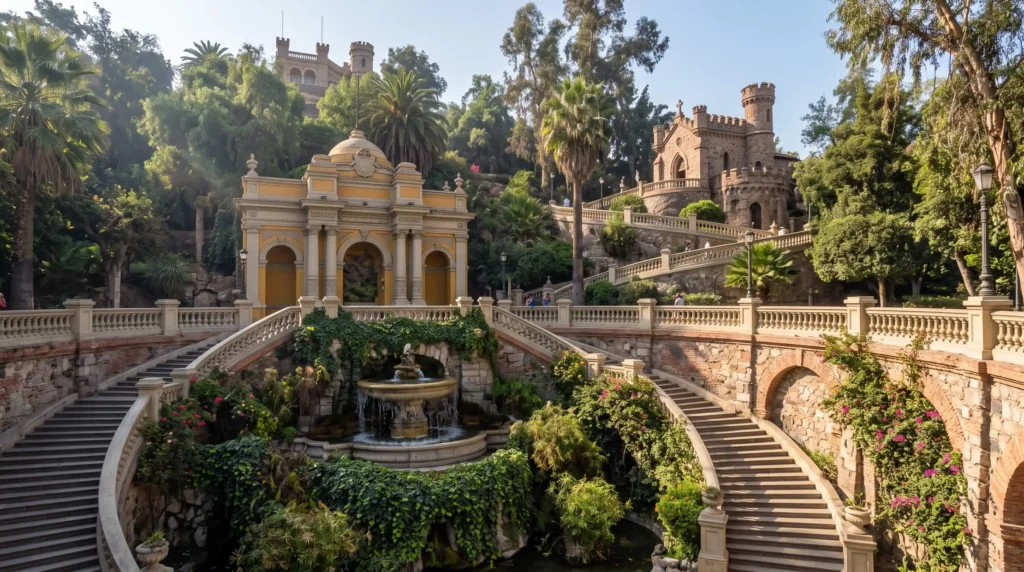
Santa Lucía Hill rises 69 meters above the surrounding streets and reaches 629 meters above sea level. The Mapuche called it Huelén and the current name comes from Valdivia’s arrival on the saint’s day in December 1540. Benjamín Vicuña Mackenna redesigned it in 1872 with a road and a summit chapel.
The park covers 65,300 square meters and has fountains and viewpoints on its yellow-white terraces. A Metro station sits next to it, which makes it the easiest first stop. It suits anyone short on time.
San Cristóbal Hill Gives You the Whole Valley
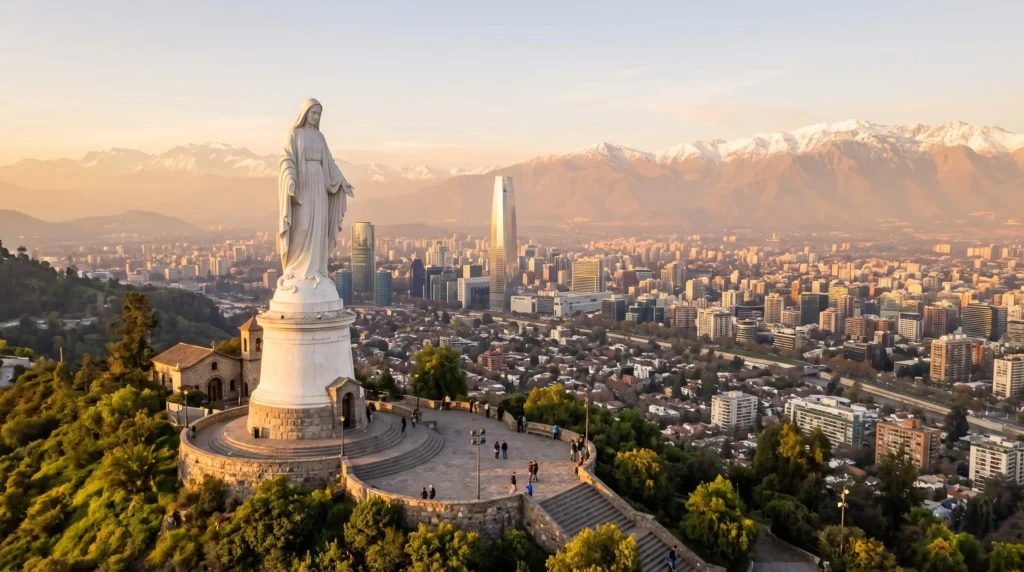
San Cristóbal Hill stands 880 meters above sea level and about 300 meters above the city. A 14-meter statue of the Virgin Mary crowns the summit on an 8.3-meter pedestal. Pope John Paul II visited the sanctuary on April 1, 1987.
The hill sits inside Santiago Metropolitan Park, the country’s largest public green space. You can reach the top by a 45-minute hike or by road, funicular or cable car. The cable car reopened in November 2016 with new six-person cabins.
The park also holds the Chilean National Zoo and two municipal swimming pools named Tupahue and Antilén. A Japanese garden sits at the foot of the hill.
Ten Thousand Years Under One Old Customs House
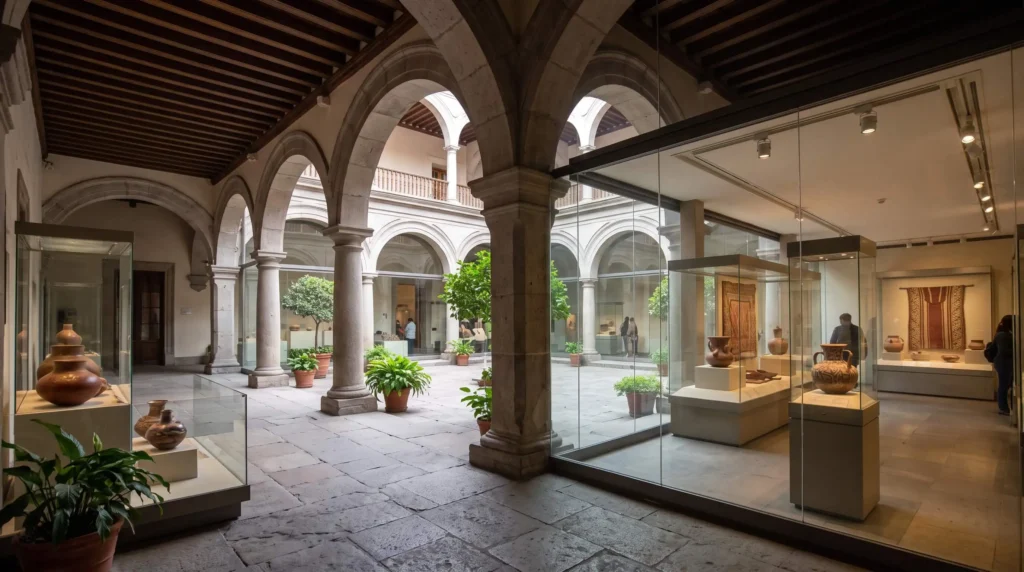
The Chilean Museum of Pre-Columbian Art opened in December 1981 inside the Royal Customs House built between 1805 and 1807. Architect Sergio Larraín García-Moreno gathered the first collection over nearly fifty years. It now holds more than 3,000 pieces from almost 100 different groups.
The collection spans about 10,000 years and includes Chavín textiles nearly 3,000 years old. A 2014 renovation by Smiljan Radić Clarke added 70 percent more exhibition space. If you only have time for one museum, this is the usual answer.
Lastarria and Bellavista Are Made for Walking
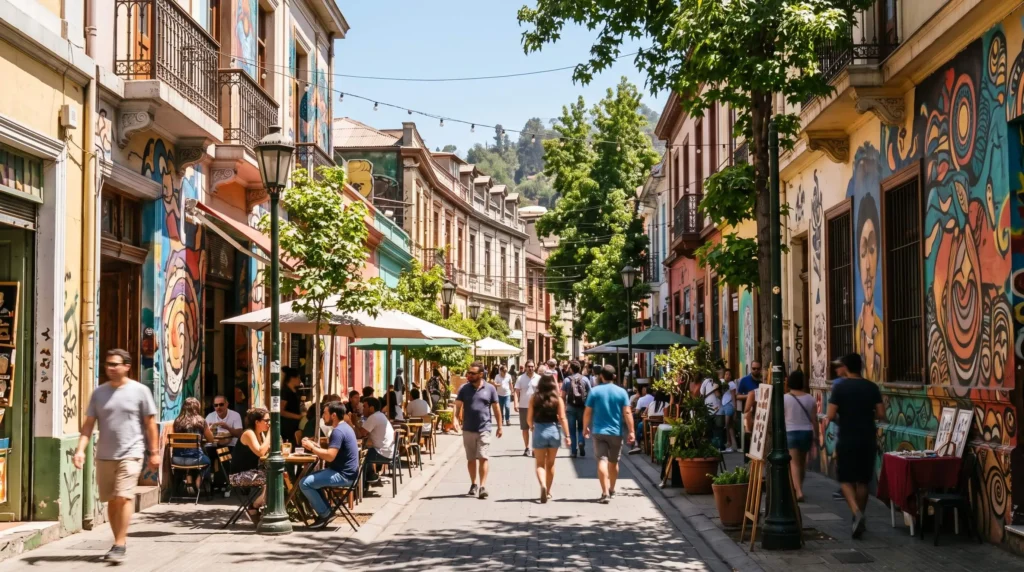
Visitors call Lastarria and Bellavista walkable and relatively safe for a short stay. Providencia is another option a little farther from the airport. Both barrios work well for dinner and an easy evening stroll.
Plaza de Armas and La Moneda palace sit about a ten minute walk apart, and the palace courtyard is free to enter, according to one guide.
Bellavista is also home to La Chascona, the house Pablo Neruda began building in 1953 for Matilde Urrutia. The name means tangled hair and refers to her curly red hair. The house was damaged after the 1973 coup and restored. It now operates as a museum.
Layover Tip for Late Flights
With a late-night flight some travelers leave bags at an airport hotel and take a taxi into town. Others book a night in Lastarria and sleep early.
A Tower With a Deck on Floors 61 and 62
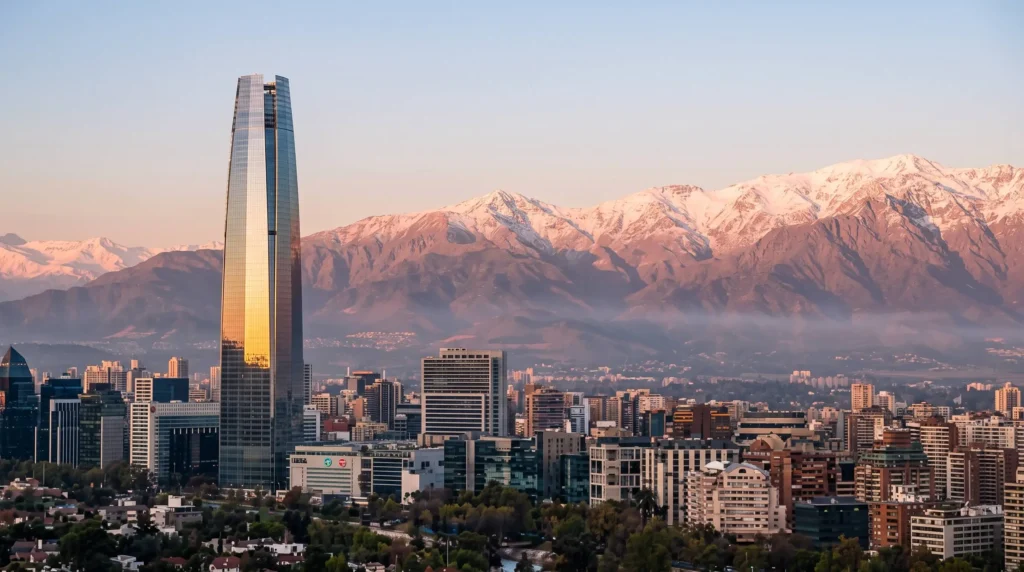
Gran Torre Costanera stands 300 meters tall and was completed in 2013. It is the tallest building in South America. The Sky Costanera observation deck opened on August 11, 2015 on floors 61 and 62.
The tower anchors the Costanera Center in Providencia, which Wikipedia calls the largest shopping mall in Latin America. Visit on a clear day since the Andes are the point. Brazil sits across the continent, as our guide to Rio de Janeiro shows.
A Museum That Asks You to Slow Down
The Museum of Memory and Human Rights opened on January 11, 2010 and commemorates victims of human rights violations during the military dictatorship from 1973 to 1990. It holds letters, testimony and objects from detention centers. Folk singer Víctor Jara’s last poem is displayed at the entrance.
About 150,000 people visit each year. Give yourself a quiet hour and leave the rest of the afternoon open. Uruguay offers calmer beaches, covered in the Uruguay guide.
The Museum of Memory and Human Rights is listed as free to enter, which makes it one of the best value stops in the city.
Mercado Central Is a Cast-Iron Hall Full of Seafood
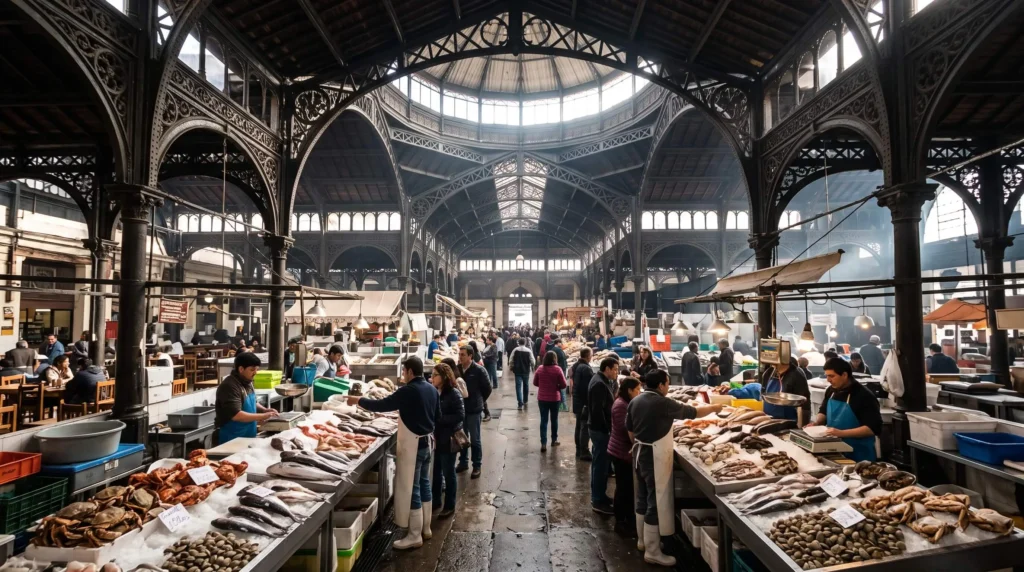
The Mercado Central opened in 1872 and replaced a market destroyed by fire in 1864. Its roof and supporting structure were made of cast iron by the Scottish firm R. Laidlaw and Sons of Glasgow. The building is a historical monument.
Maipo Valley Is the Wine Half-Day
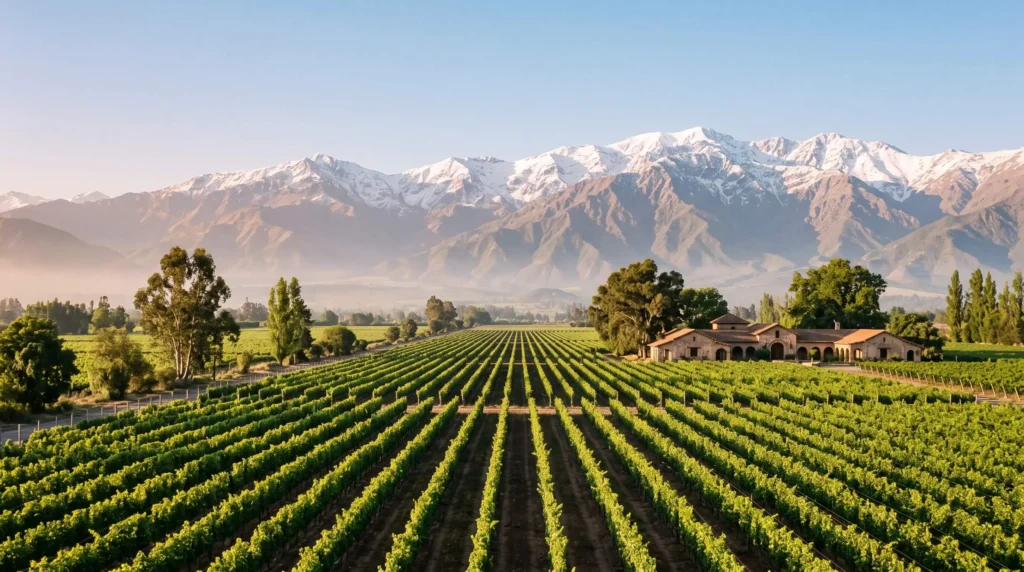
Maipo Valley is the closest Chilean wine region to Santiago and the birthplace of the country’s wine industry. More than half of its vineyards grow Cabernet Sauvignon or Cabernet blends. The valley has three subregions: Alto Maipo in the Andean foothills, the oldest Central Maipo and the coastal Pacific Maipo.
Visitors in December often ask whether to do a vineyard half-day from Santiago or from Valparaíso. Trying both a large vineyard and a boutique one works well. Booking a half-day from Santiago keeps the drive short.
Valparaíso Works Best as a Guided Day Trip
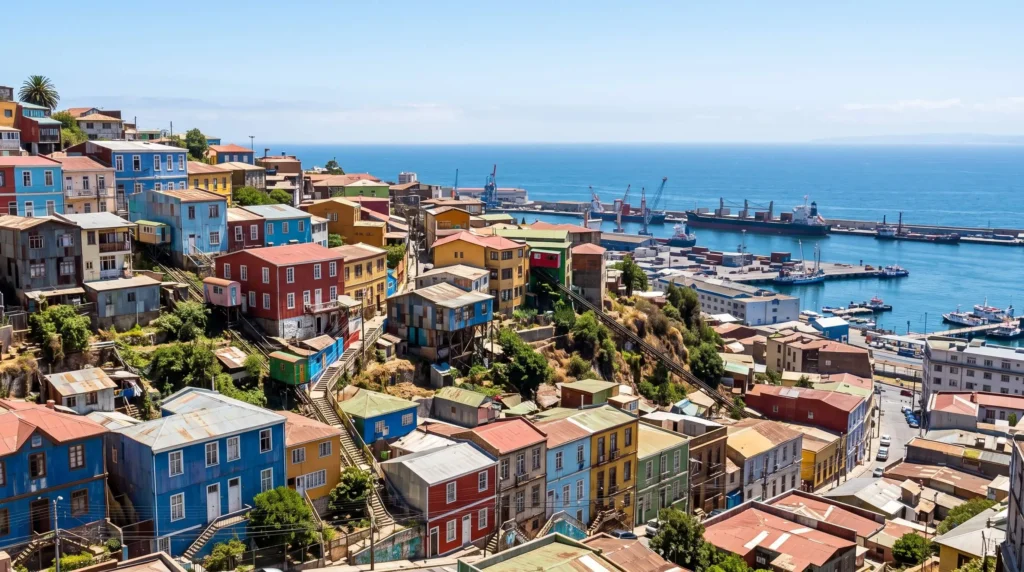
Valparaíso became a UNESCO World Heritage site in 2003 and sits about 120 kilometers northwest of Santiago. It has 16 funiculars called ascensores and colorful hills such as Cerro Alegre and Cerro Concepción. Read the UNESCO quarter’s background before you go.
Advice on this area is mixed. Some visitors would not stay overnight and prefer a day trip with a guide who knows what to show tourists. Others advise against driving there and say to stick to the touristy areas.
What the State Department and Locals Say About Safety
The State Department’s Chile page lists Chile at Level 2, exercise increased caution. It cites petty crime such as mugging and pickpocketing and large demonstrations that can happen in Santiago with little or no notice. A health notice mentions Andes virus but calls the risk for most travelers extremely low.
Most travelers repeat the same advice in plain words: stick to busy tourist areas by day and use ride apps at night. Keep phones and wallets out of sight on the Metro.
Metro, Seasons and Smog
The Santiago Metro opened on September 15, 1975. It now runs 7 lines with 143 stations across 149 kilometers and carried about 2.03 million riders on an average weekday in 2023. Passengers pay with a bip! card.
Santiago has warm dry summers and cool wetter winters. Chile lies in the Southern Hemisphere, so December to February is summer. The valley traps winter smog, so plan outdoor days for the warmer months.
Parks and Walks That Cost Little
Walking the center is the cheapest way to see Santiago. Santa Lucía Hill and Santiago Metropolitan Park are public parks. Paid extras include the San Cristóbal funicular and cable car and museum tickets. Ticket prices for the Chilean Museum of Pre-Columbian Art are listed on its own site.
Current listing prices help you plan. Sky Costanera is about $25, the Pre-Columbian Art Museum about $12, La Chascona about $11, the Mirador Interactive Museum about $8.50 and the San Cristóbal funicular about $3. Fantasilandia amusement park is near $23, while Bicentennial Park, Metropolitan Park and La Moneda palace are free.
Frequently Asked Questions
Start With a Hill and Let the City Unfold
Santiago rewards the traveler who climbs one hill early and then follows the neighborhoods. Pick one museum and one day trip and skip the rest.
The rest of our library lives in South America or Things to Do.


