
Things to Do in Helena, MT Through Gold Rush History and Mountain Trails
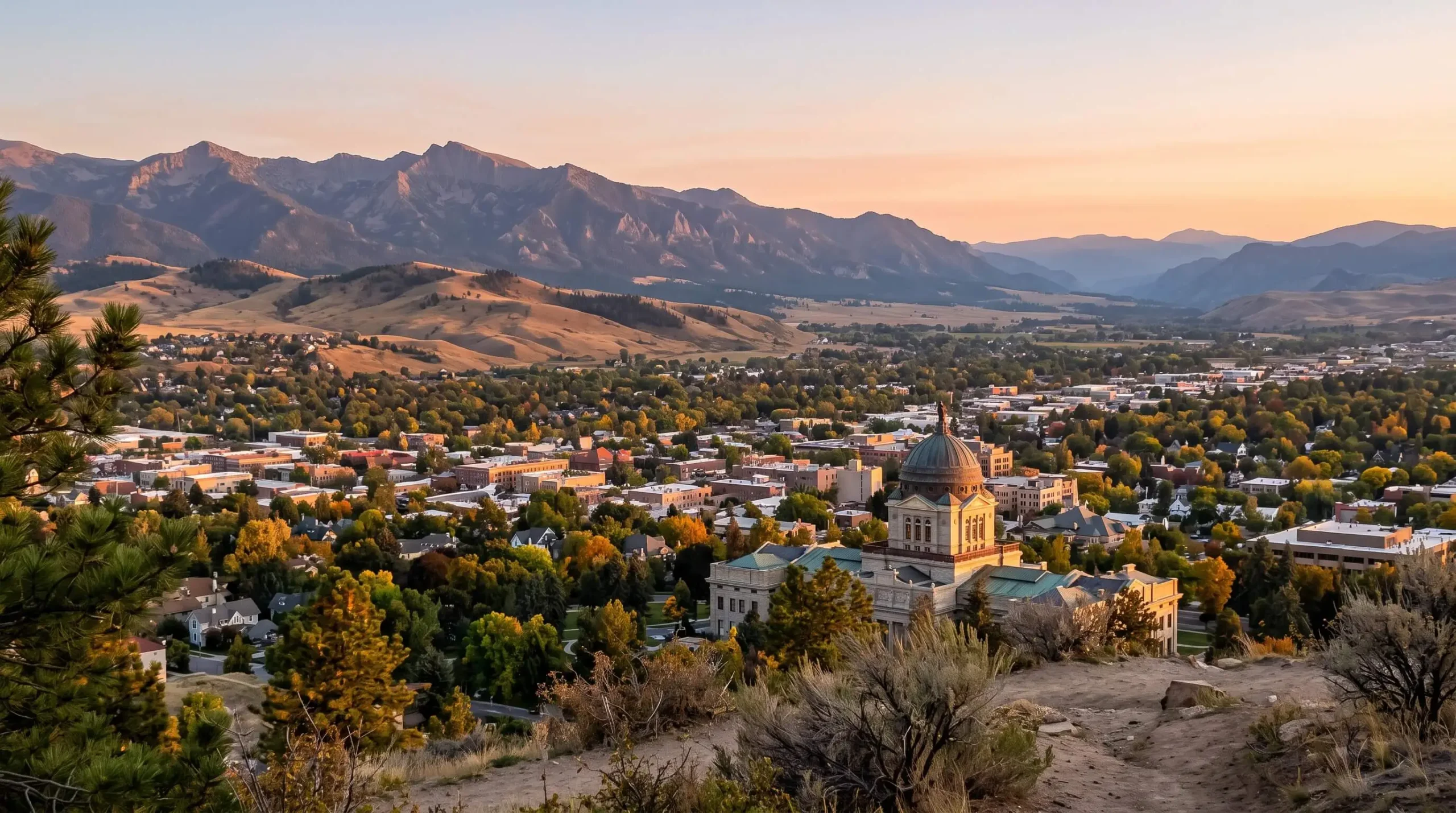
Travelers driving between Yellowstone and Glacier keep asking the same thing: is Helena worth a real stop or just a fuel fill-up? The honest answer depends on how long you have. Montana’s capital packs a gold rush main street, a Gothic cathedral and a 620-acre mountain park into one small city.
Helena was founded on October 30, 1864 after four prospectors known as the Four Georgians found gold in Last Chance Gulch that July. It became the territorial capital in 1875 and the state capital in 1889. The 2020 census counted 32,091 residents at an elevation of 3,996 feet.
Whether you have two hours or a full day, the things to do in Helena, MT below are sorted by the time you have, with notes for rainy days, kids and tight budgets.
Things to Do in Helena, MT Sorted by How Long You Have
| Time | Plan |
|---|---|
| Two hours | Montana State Capitol and the Cathedral of Saint Helena |
| Half a day | Add Last Chance Gulch and Reeder’s Alley |
| One full day | Add Mount Helena or the Gates of the Mountains |
| Overnight | Add the Archie Bray Foundation and the Elkhorn ghost town |
Most of the history stops cluster in and around downtown. Save the canyon and the ghost town for the day you have a car and no deadline.
The Capitol Is Free and Worth the Detour
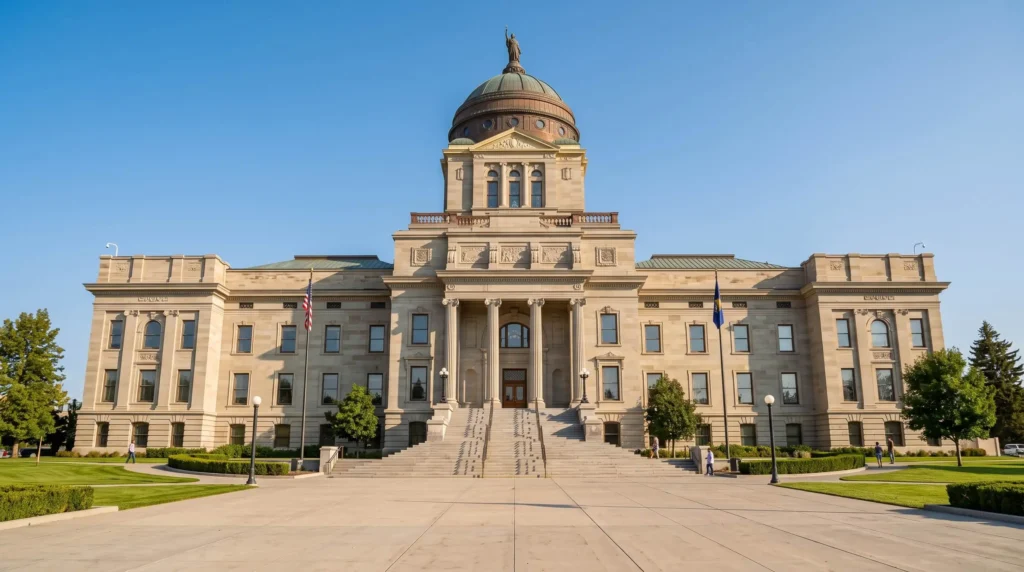
The Montana State Capitol was built between 1896 and 1902 and gained two wings from 1909 to 1912. It is made of Montana sandstone and granite with a copper-clad dome. Wikipedia notes that the statue atop the dome came off in August 2026 for restoration work, so the exterior may look different on your visit.
Inside, look for Charles M. Russell’s 1912 painting “Lewis and Clark Meeting the Flathead Indians at Ross’ Hole” above the Speaker’s chair. It measures 25 feet long and 12 feet high. The Montana Historical Society offers free drop-in tours. The Montana Legislature’s visitor page explains how to plan your time.
Kids Get a Mission
Families can pick up a scavenger hunt led by Seaman, the Newfoundland dog that traveled with Lewis and Clark, at the first-floor information desk.
A Cathedral With Vienna on Its Mind
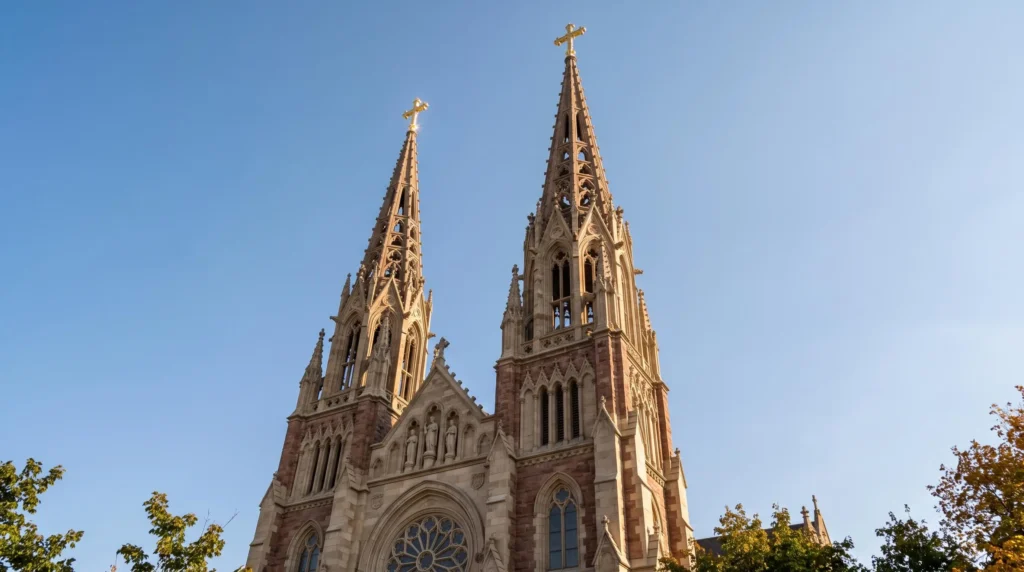
The Cathedral of Saint Helena follows a Gothic Revival design inspired by the Votivkirche in Vienna. Construction began in 1908 and the first mass was held on November 8, 1914. The church was formally consecrated in June 1924.
Its twin spires reach 230 feet and carry 12-foot gold-leafed crosses. Fifteen hand-cast bells hang in the north tower and 29 limestone saints decorate the exterior. Most of the stained glass came from the F.X. Zettler firm in Munich.
Last Chance Gulch and Reeder’s Alley Hold the Gold Rush
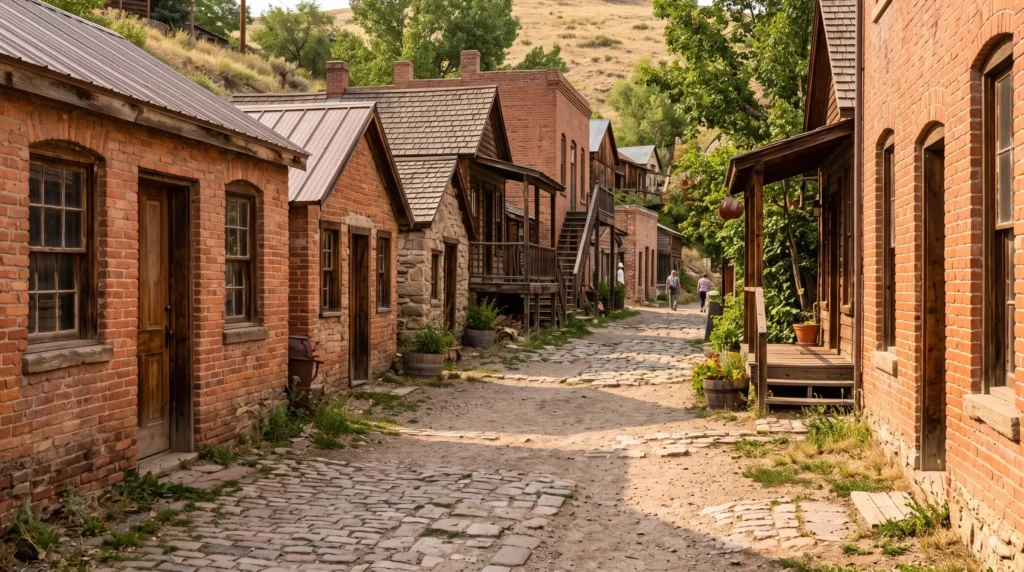
The Four Georgians struck gold here on July 14, 1864 and the camp became Helena within months. Last Chance Gulch was the original main street. It is now a pedestrian mall for strolling and dining.
Reeder’s Alley is a row of brick tenements built between 1872 and 1884. Local listings say the Last Chance Tour Train runs an hour-long loop in summer from the Montana Historical Society Museum. One travel blogger calls it the single best use of an hour if time is short.
The Montana Heritage Center reopened in December 2025 according to one travel guide, so ask about new exhibits. Helena SeptemberFest runs in mid September, and a Fall Art Walk was listed for November 13 in 2026.
The Montana Heritage Center and Visit Helena both won honors at the 2026 Montana Tourism Awards, a sign the city is investing in visitors. Out of state travelers spent about $5.6 billion in Montana in 2025, so summer weekends can be busy.
Mount Helena Gives You the View Without a Fee
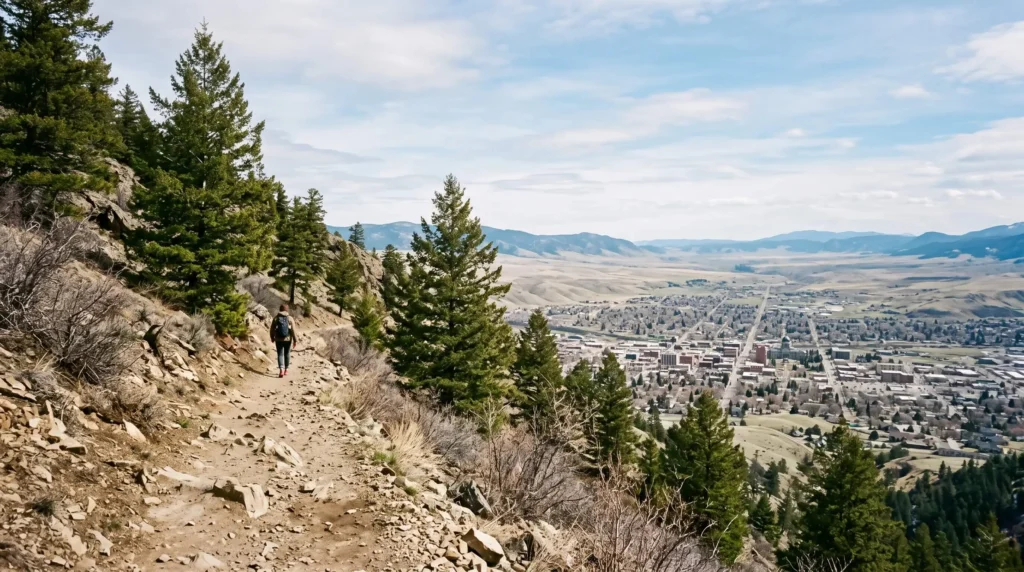
Mount Helena City Park covers 620 acres on the edge of town and costs nothing to enter. The summit reaches 5,468 feet and sits about 1,300 feet above the city. The park earned a place on the National Register of Historic Places in 1997.
The 1906 Trail is the easiest route to the top and passes limestone caves and Devil’s Kitchen. The Prairie Trail is a tougher switchback route. Look for the large letter H painted on the mountainside.
Mind the Altitude
Helena sits at 3,996 feet, so visitors from sea level may tire faster on the climb. Bring water and add extra time.
Gates of the Mountains Is the Big Outdoor Day
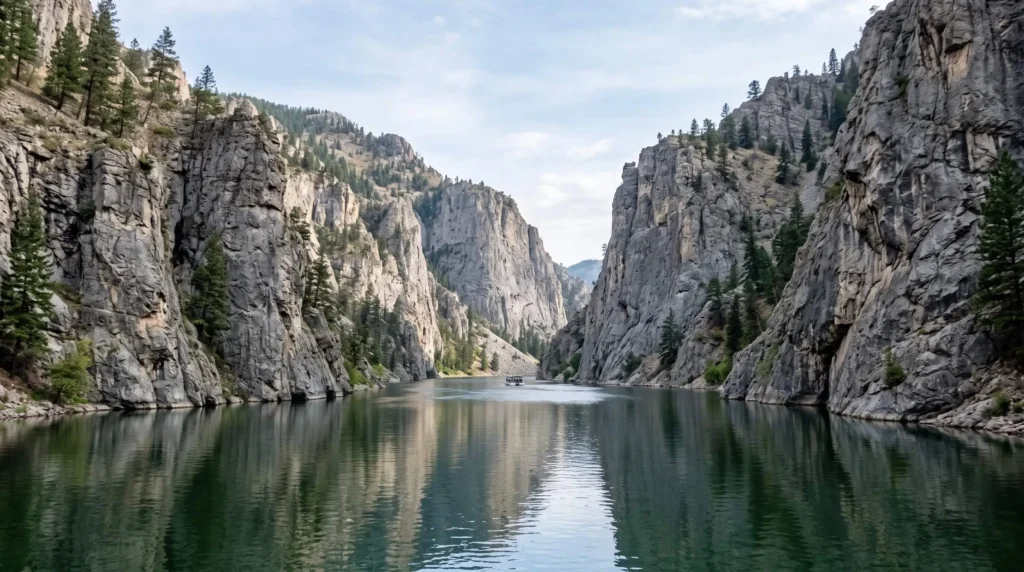
Meriwether Lewis named this canyon on July 19, 1805 after entering what he called the most remarkable cliffs of the trip so far. The Gates of the Mountains Wilderness spans 28,562 acres north of Helena. It wraps around about 5.75 miles of Missouri River canyon.
Gray limestone cliffs flank the river. Holter Dam, built in 1918, created Holter Lake and raised the water in the Gates by about 14 feet. Boat tours of the canyon run in the warm months, so confirm dates before you drive out.
The wilderness also holds the site of the 1949 Mann Gulch fire, which killed 13 firefighters and inspired Norman Maclean’s book Young Men and Fire.
Clay and Kilns at the Archie Bray Foundation
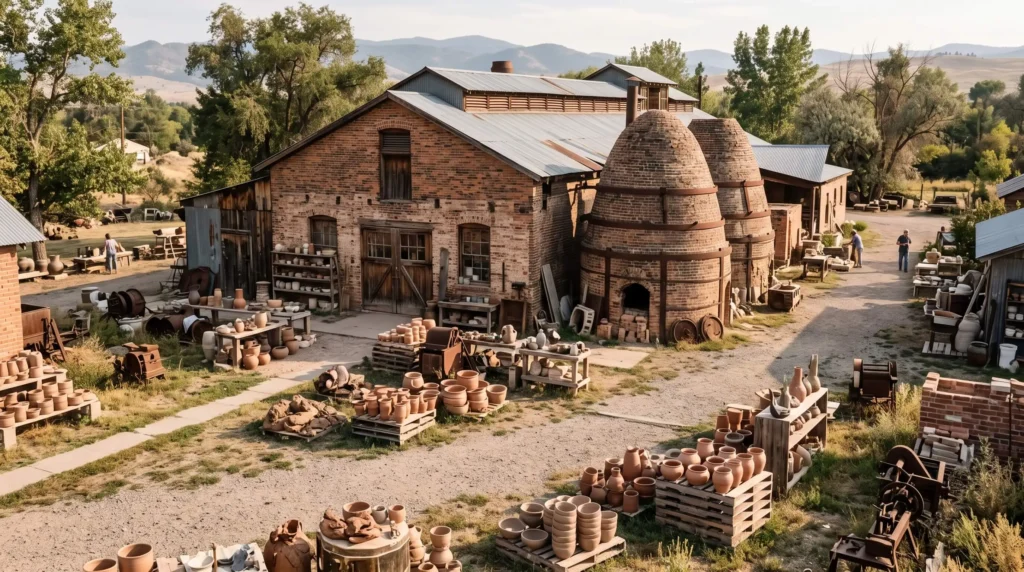
The Archie Bray Foundation sits about 3 miles from downtown on the grounds of the former Western Clay Manufacturing brickyard. Archie Bray founded it in 1951 as a place for serious ceramic artists to work. Rudy Autio and Peter Voulkos were its first resident artists that year.
Artists still work on site and the historic buildings are on the National Register of Historic Places. Check current visiting hours before you go, since the studios are working spaces. Another mountain town worth pairing is Lake Placid, covered in our Lake Placid guide.
Elkhorn Is the Ghost Town Worth the Drive
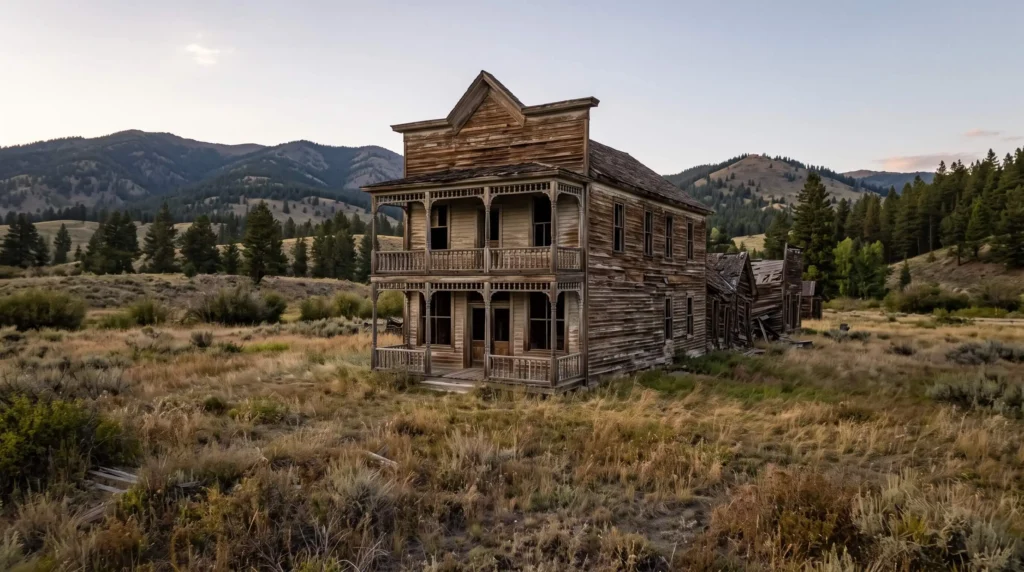
Elkhorn is a ghost town in Jefferson County. You reach it from Boulder by driving 7 miles on Montana Highway 69 and then 11 miles north on county roads. Silver mines here produced more than $14 million and the town peaked at about 2,500 people.
Many residents were married European immigrants with families, which was unusual for a mining town. A diphtheria epidemic in 1888 and 1889 killed many children. The state preserved Fraternity Hall and Gillian Hall as Elkhorn State Park in 1980.
Only 12 people lived in Elkhorn at the 2020 census. Hunters and locals often recommend it as a quiet side trip.
When the Weather Turns
Helena has long cold winters with moderate snow and hot dry summers. The city gets about 11.4 inches of precipitation a year.
The Capitol, the cathedral and the Montana Historical Society Museum all work indoors. Add the Holter Museum of Art for a quiet afternoon. Winter visitors should check road conditions before heading to Gates of the Mountains or Elkhorn. The Capitol is an easy winter stop and tour times are listed on the Montana Legislature’s visitor page.
Kids, Dogs and Everyone Else
Kids enjoy the Capitol scavenger hunt and the open space at Mount Helena. Teens often prefer the lake or the ghost town to another museum.
Listing prices help families plan. ExplorationWorks science museum is about $12, the Holter Museum of Art about $10, the Great Northern Carousel about $3 and Spring Meadow Lake State Park about $8 per vehicle.
Mount Helena’s trails are shared by hikers and bikers. Check the leash rules posted at the trailhead before you bring a dog.
A Cold Beer After a Long Day
Blackfoot River Brewing and Lewis and Clark Brewing come up most often among locals. Helena has several craft breweries, so ask for a local pour.
Free Helena in Three Stops With No Ticket
The Capitol tours cost nothing and neither does Mount Helena City Park. A walk along Last Chance Gulch is free as well. Boat tours and museum admissions cost extra, so pair paid stops with free ones.
For a rainy or snowy day, Broadwater Hot Springs lists about $17 for a soak. Winter visitors can also try the Great Divide Ski Area, and the first snow of the season already fell across much of Montana this month.
Between Two National Parks
Helena sits on the usual Yellowstone to Glacier road trip route. The city has its own airport, Helena Regional Airport. One night is enough for history and one outdoor stop.
Frequently Asked Questions
Stay a Night and Skip the Rush
Helena rewards the traveler who stays one night instead of one hour. Give the evening to Last Chance Gulch and the morning to the mountain.
Pick your next destination from North America and Things to Do.


